There’s an old joke among linguists that a “language” is just a dialect with a navy. Dutch and German, for example, are distinct mostly because of political identity rather than because of any sharp linguistic differences.
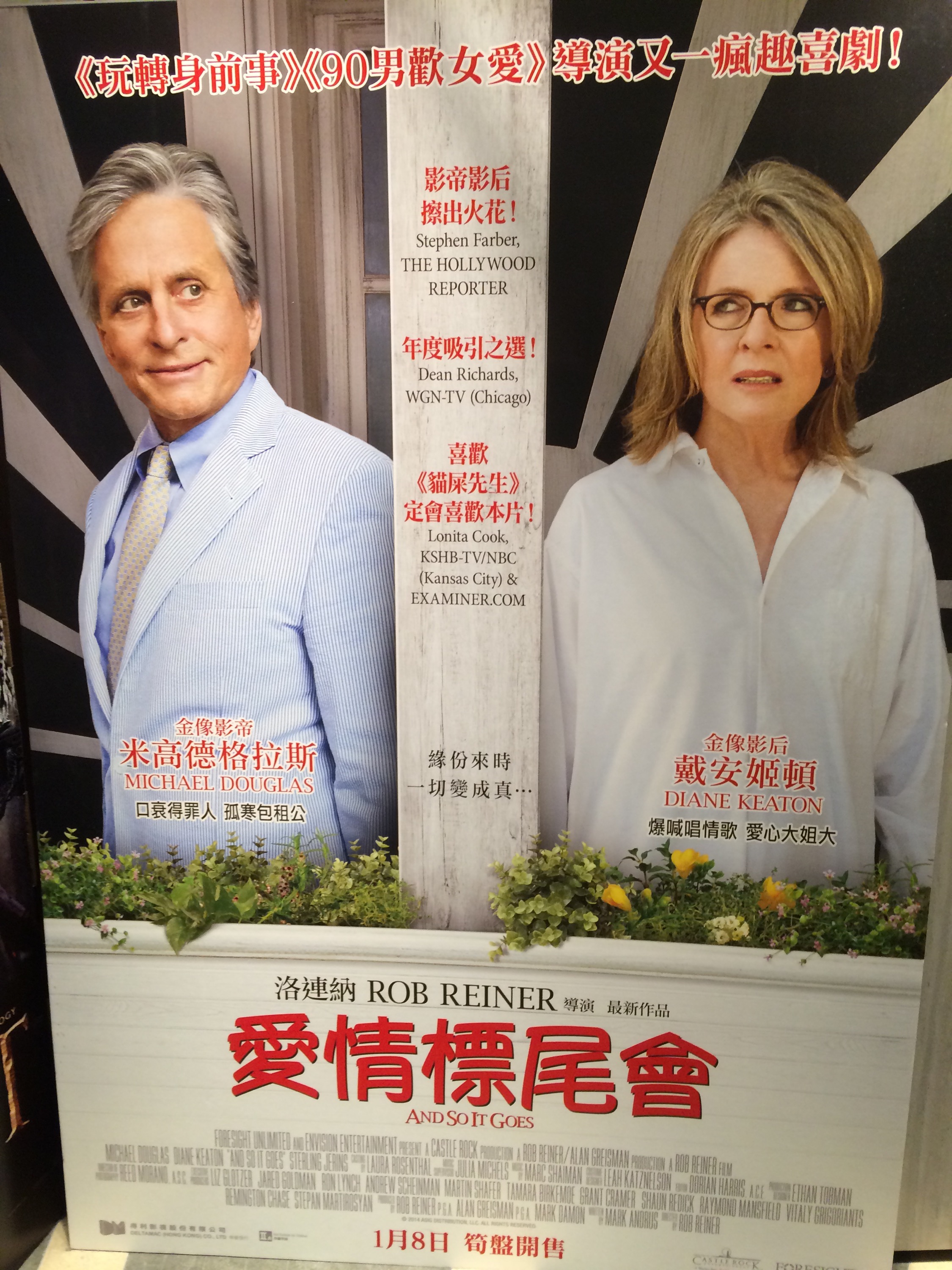
Chinese has two major dialects: Mandarin and Cantonese. However, they share a common written language. (A Mandarin speaker can still order at a Cantonese restaurant if they write their order down.)
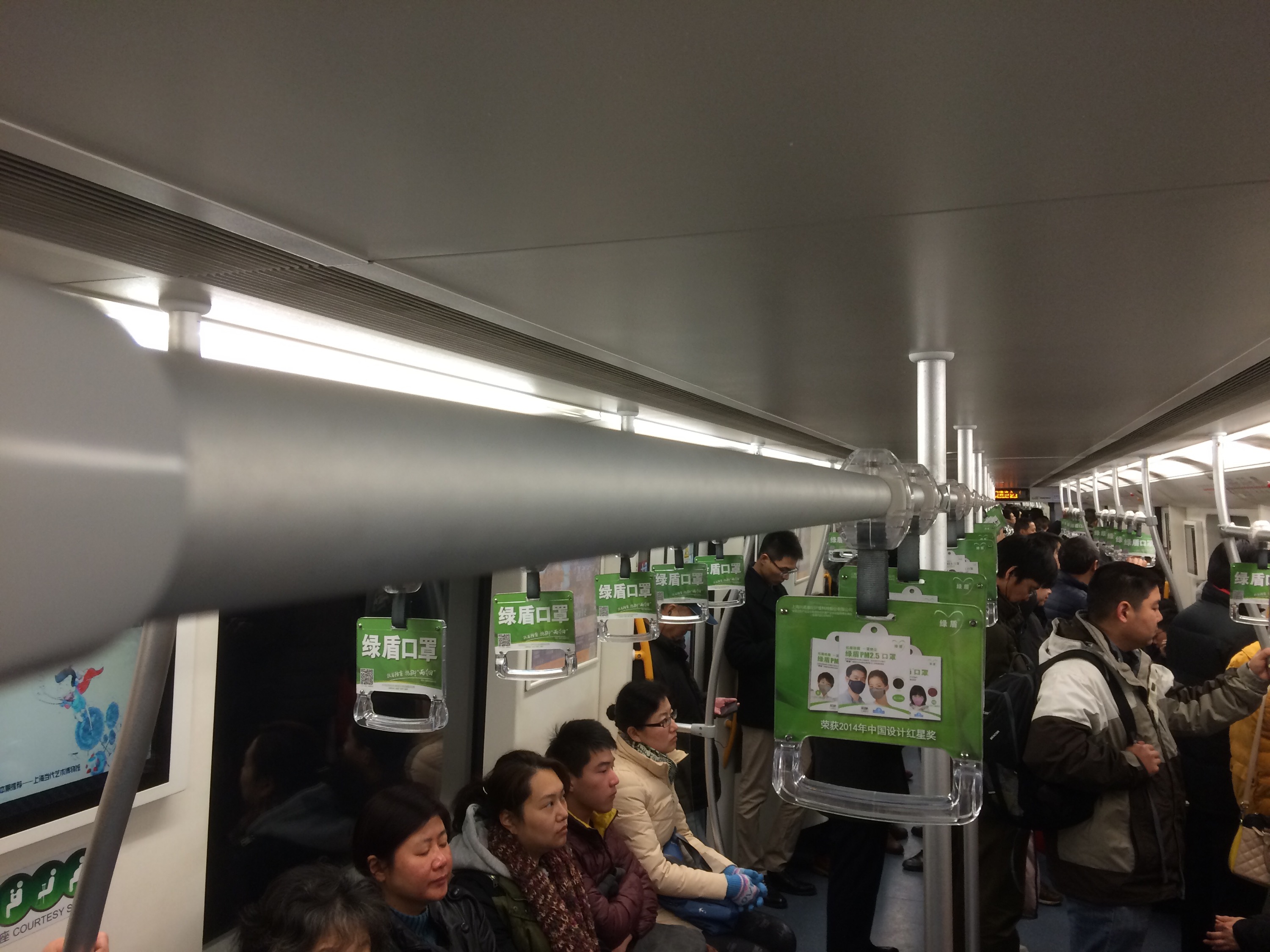
In the 1950s, in an attempt to eradicate illiteracy among its citizenry, the People’s Republic of China mandated a simplification of the written language which had evolved (and grown rococo) over thousands of years. But some communities continue using the traditional characters.
It’s complicated. I made a chart:
|
Written Language |
|
Traditional |
Simplified |
| Spoken Language |
Mandarin |
Taiwan |
Northern and Southwestern China |
| Cantonese |
Hong Kong and many overseas Chinese communities |
Guangzhou area in southern China |
For my stay here in Shanghai, I’ve been studying Mandarin and simplified Chinese chracters. None of which helped me in Hong Kong. But — armed with my meager knowledge — I still had fun figuring out the following just from subway maps and signs on the Peak.
|
Mandarin |
Cantonese |
| 上 |
shang |
sheung |
| 后 |
hou |
hau |
| 天 |
tian |
tin |
| 花 |
hua |
fa |
| 火 |
huo |
fo |
| 门 |
men |
mun |
| 安 |
an |
on |
| 地 |
di |
tie |
| 王 |
wang |
wong |
Yes, so, that’s the kind of thing I do in my free time. In case you were wondering.

 This is the street I just trudged down for 45 minutes in the freezing cold. The vanishing point is about a third of the way to the small expat party I was walking home from. A taxi, a taxi, my kingdom for a taxi.