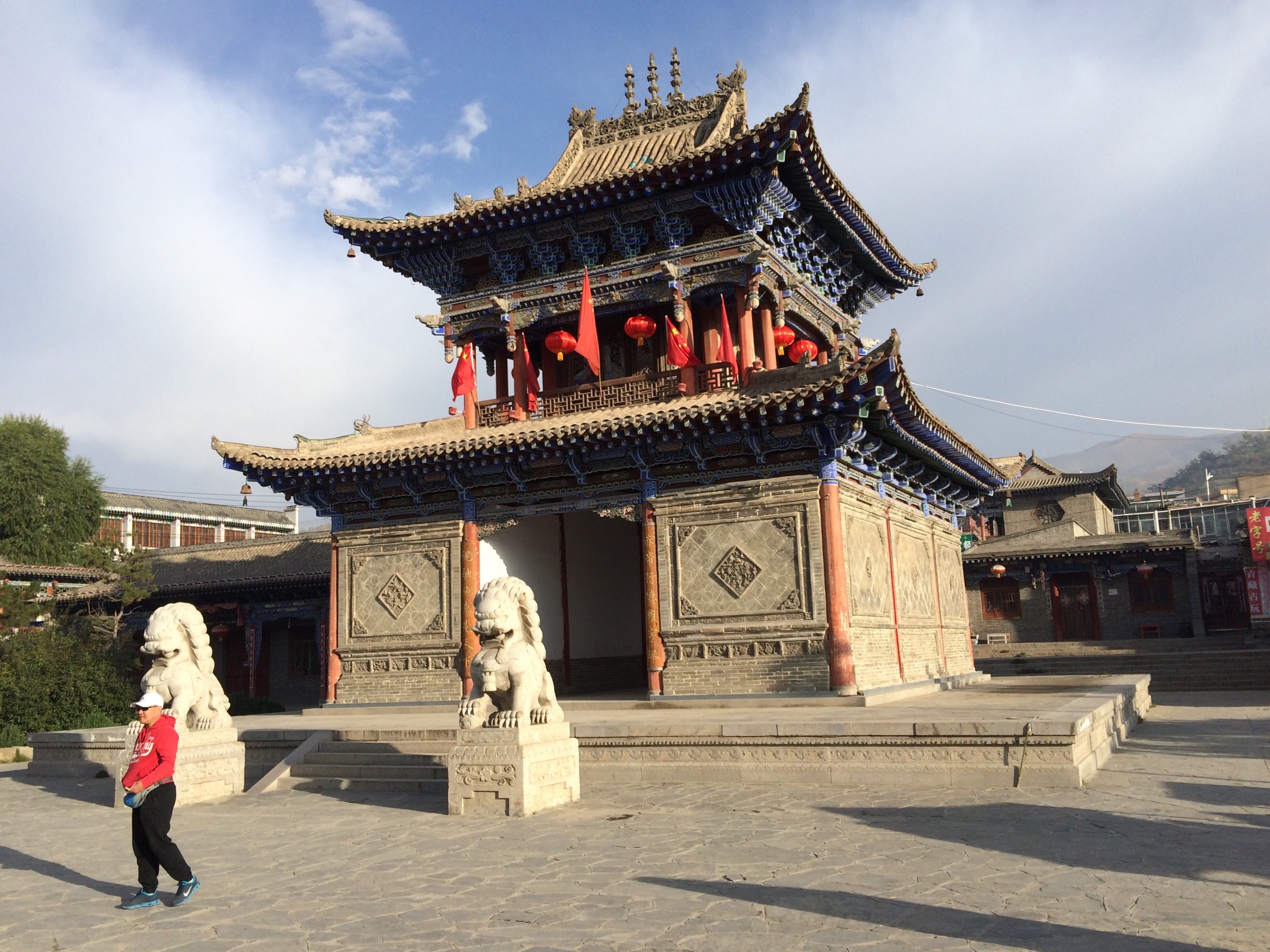
Gaze

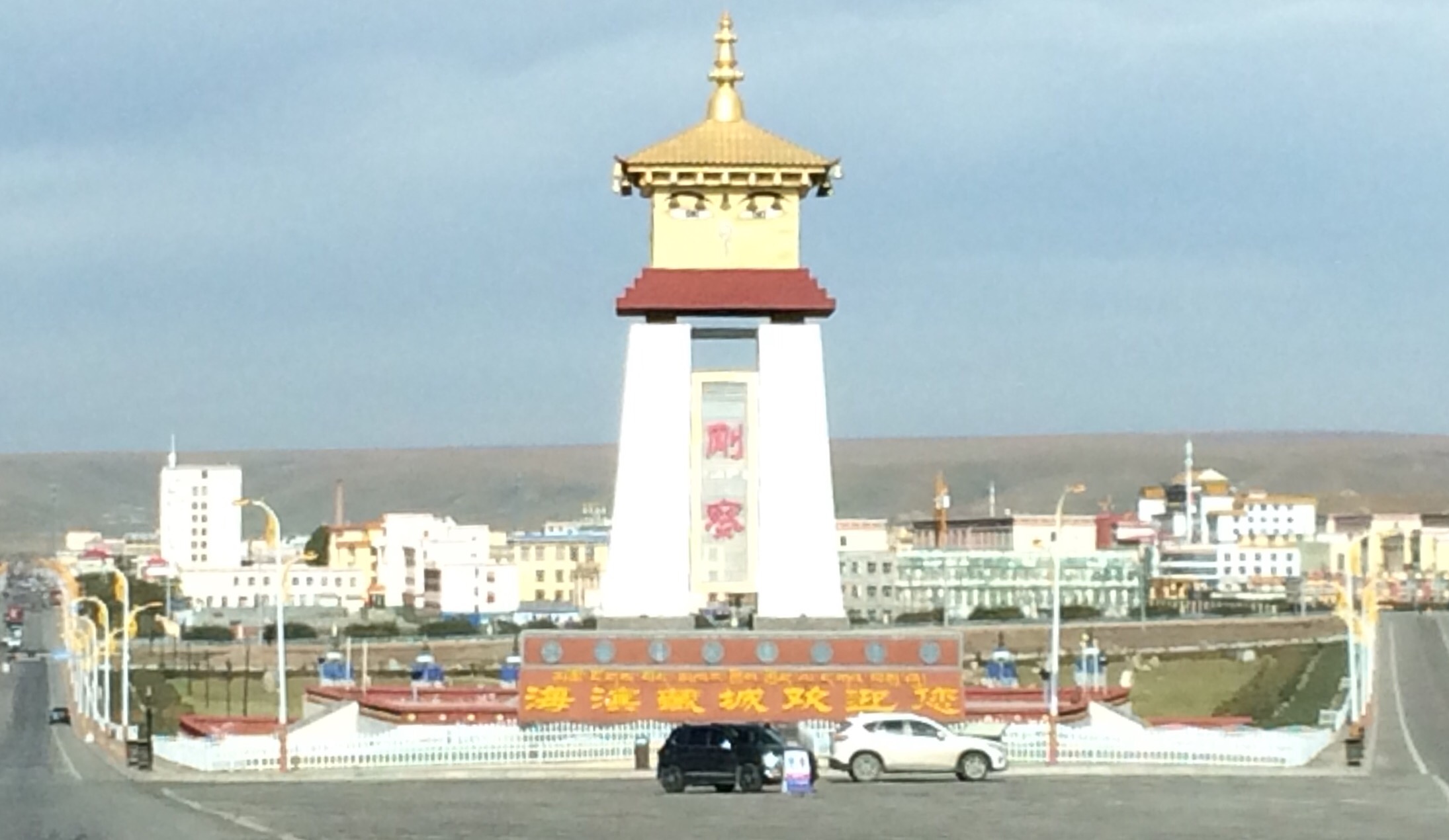
Continuing toward the north side of Qinghai Lake, we drove past this haunting tower in Gangca with eyes staring out in all four directions.

Posted in 青海湖 | Leave a comment

Desensitized

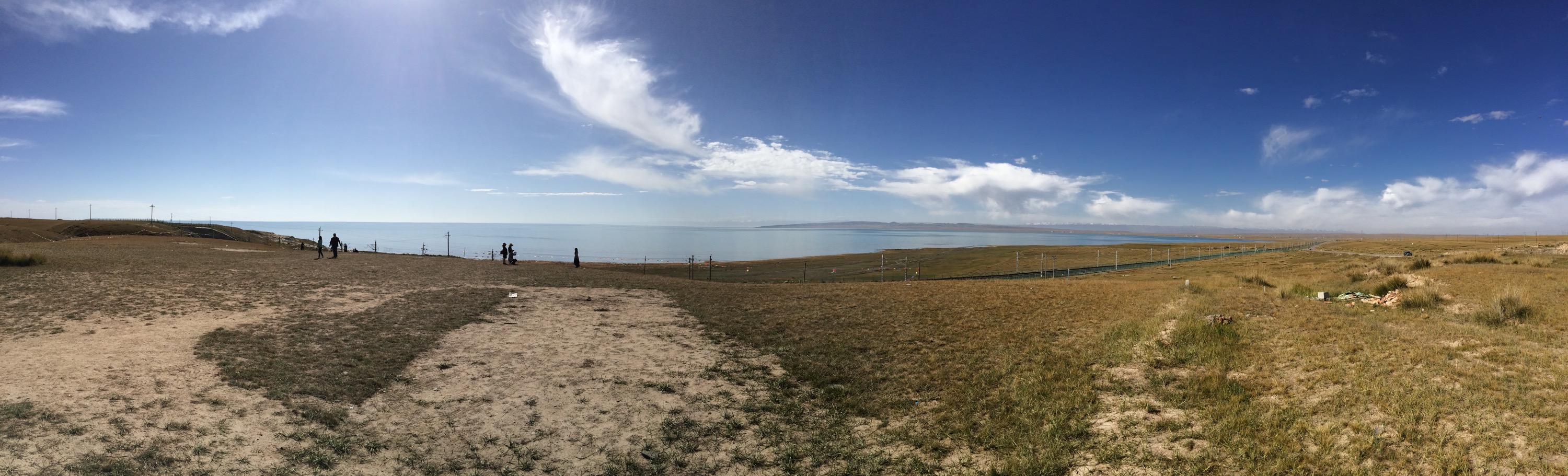
My trip arround Qinghai Lake didn’t get off to a great start, from a documentarian perspective.  We stopped at some temple somewhere — I want to say Huangyuan? — but I just snapped a quick pic and urged us on to the lake.

In my defense, there are so many temples in China.  And, yes, they’re all beautiful.  And, yes, they all have great historical import.  But sometimes they all start to blur together.  I think I’ve grown a bit desensitized.

Posted in 青海湖 | Leave a comment

Teal

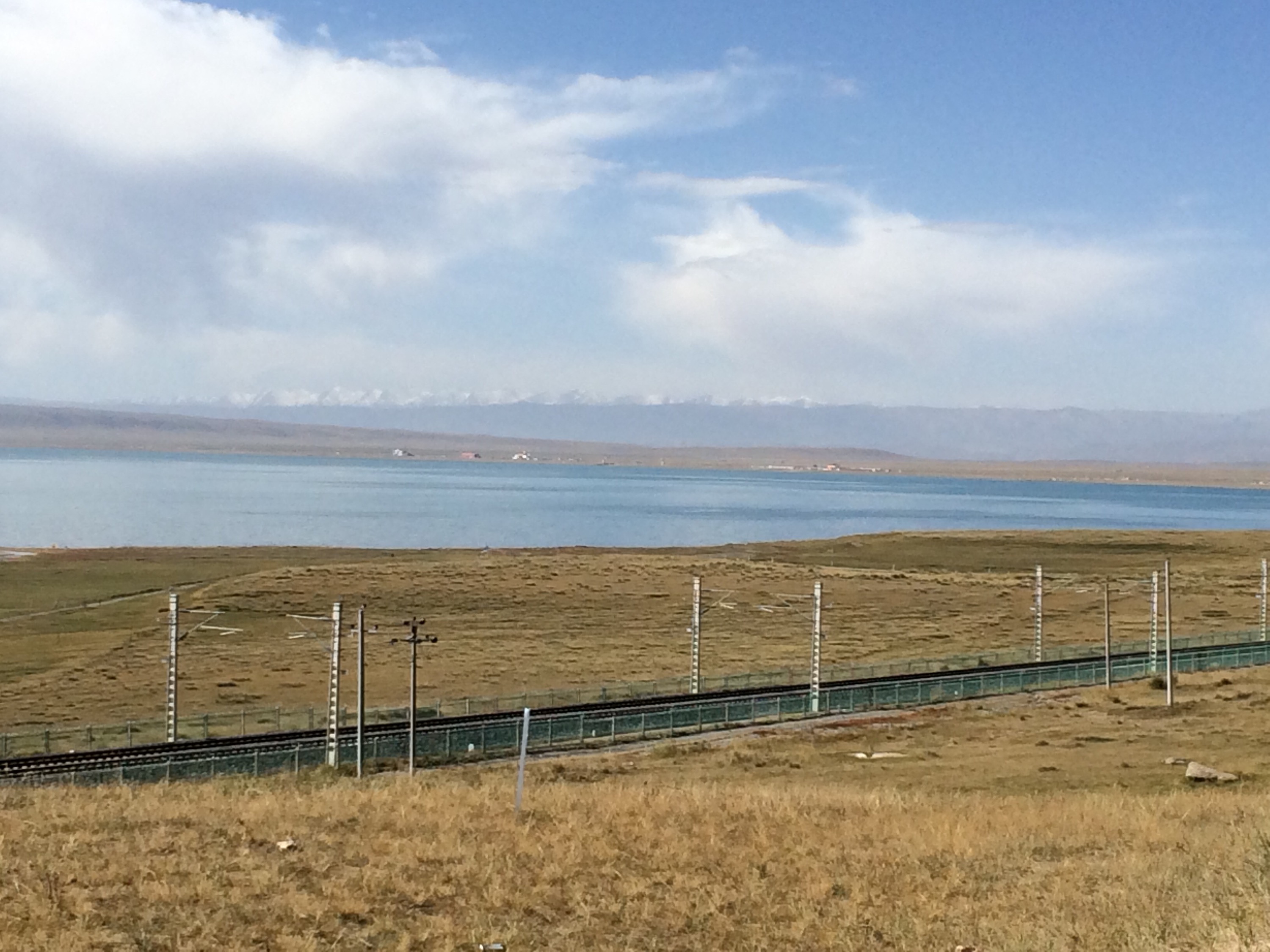
qinghai_lake青 (qīng) can mean “blue” or “blue-green” or what anthropological linguists dub “grue“.  海 (hǎi) means “sea”.  青海湖 (Qīnghǎi hú) means “Blue-Green Sea Lake” which is redundant, but helps differentiate the lake from the surrounding province which bears its name.

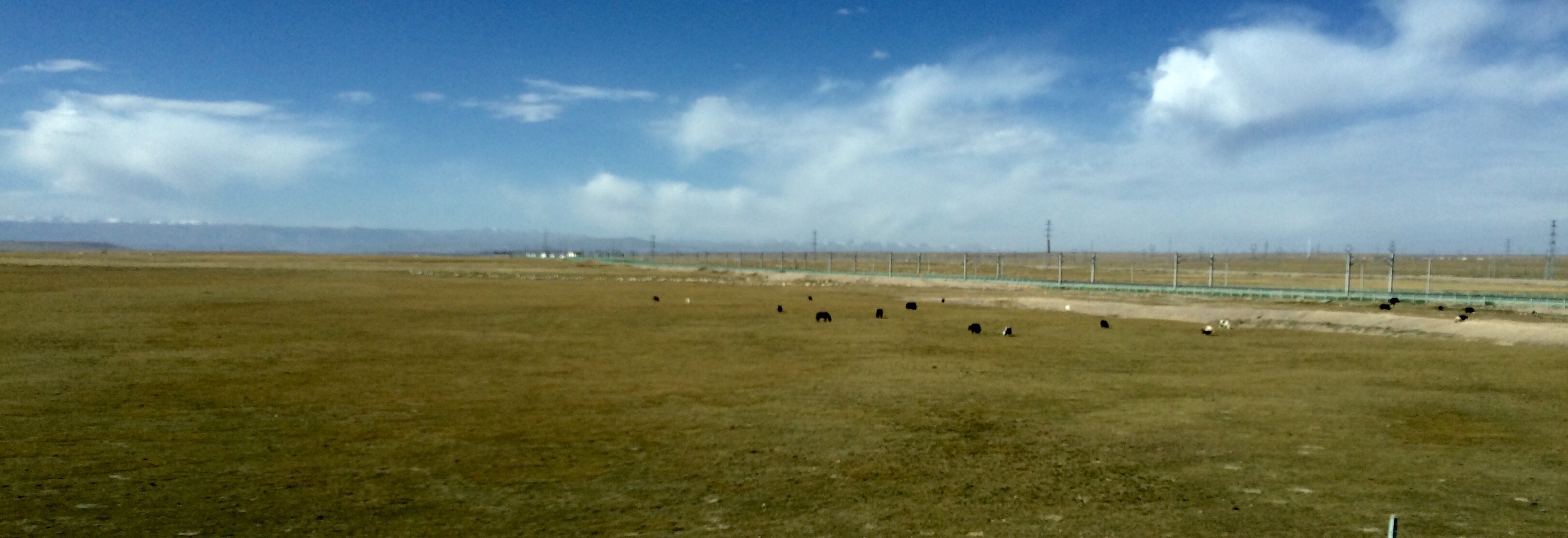
In Xining I had arranged a driver for the day to circumnavigate Qinghai Lake, the largest lake in China.  You can spot it clearly on just about any globe or map of Asia.


Posted in 青海湖 | Tagged | 1 Comment

Shanshui III

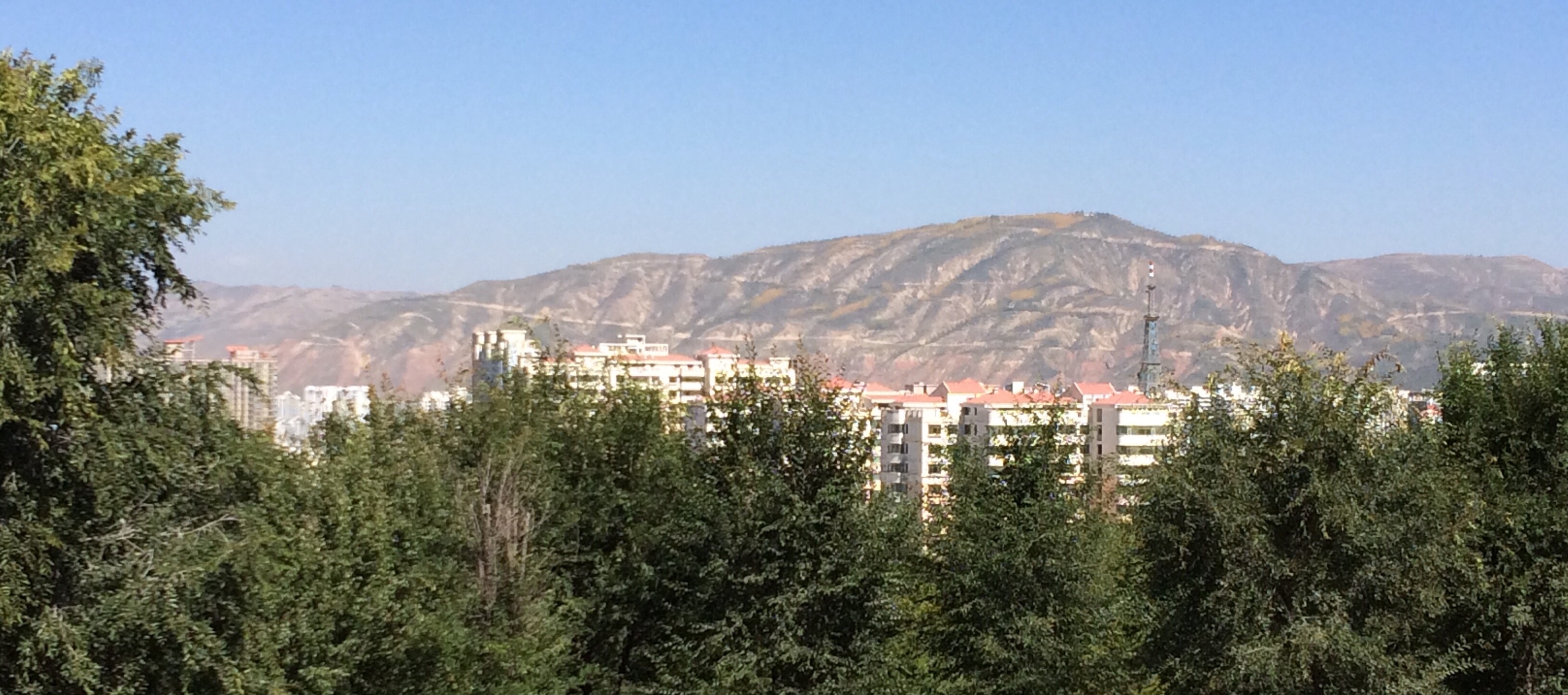
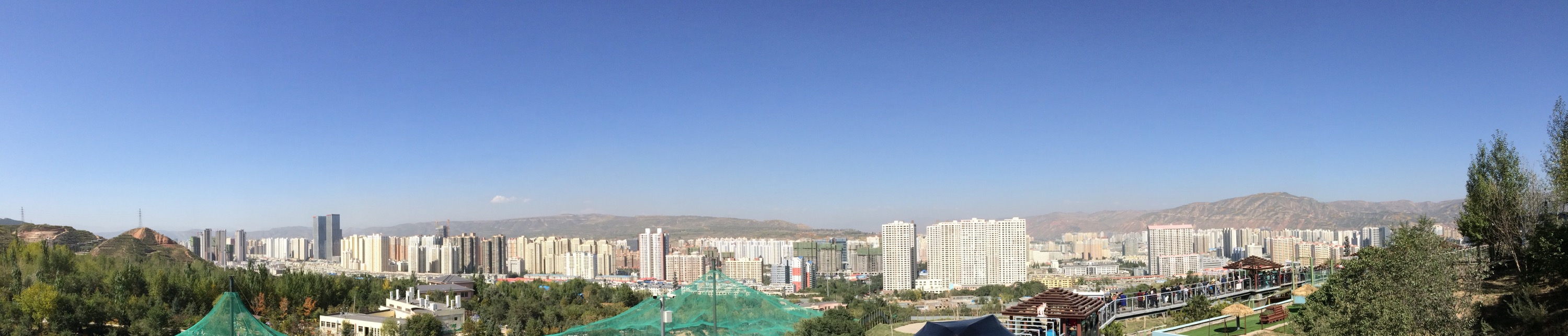
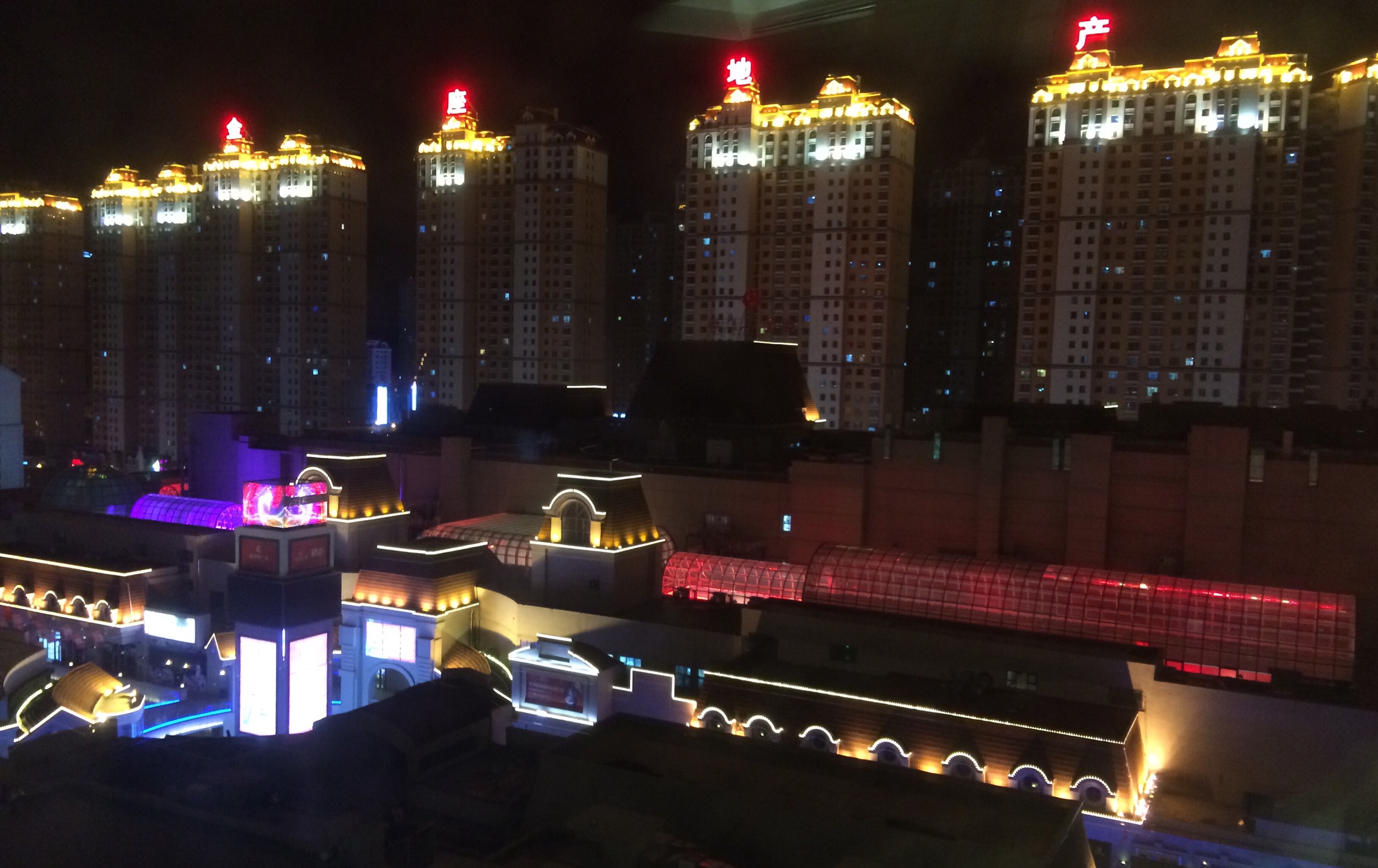
From the top of the Wild Animal Park, I was able to capture how Xining is cosseted between stark, low mountains to it’s north and tree-covered low mountains to it’s south.
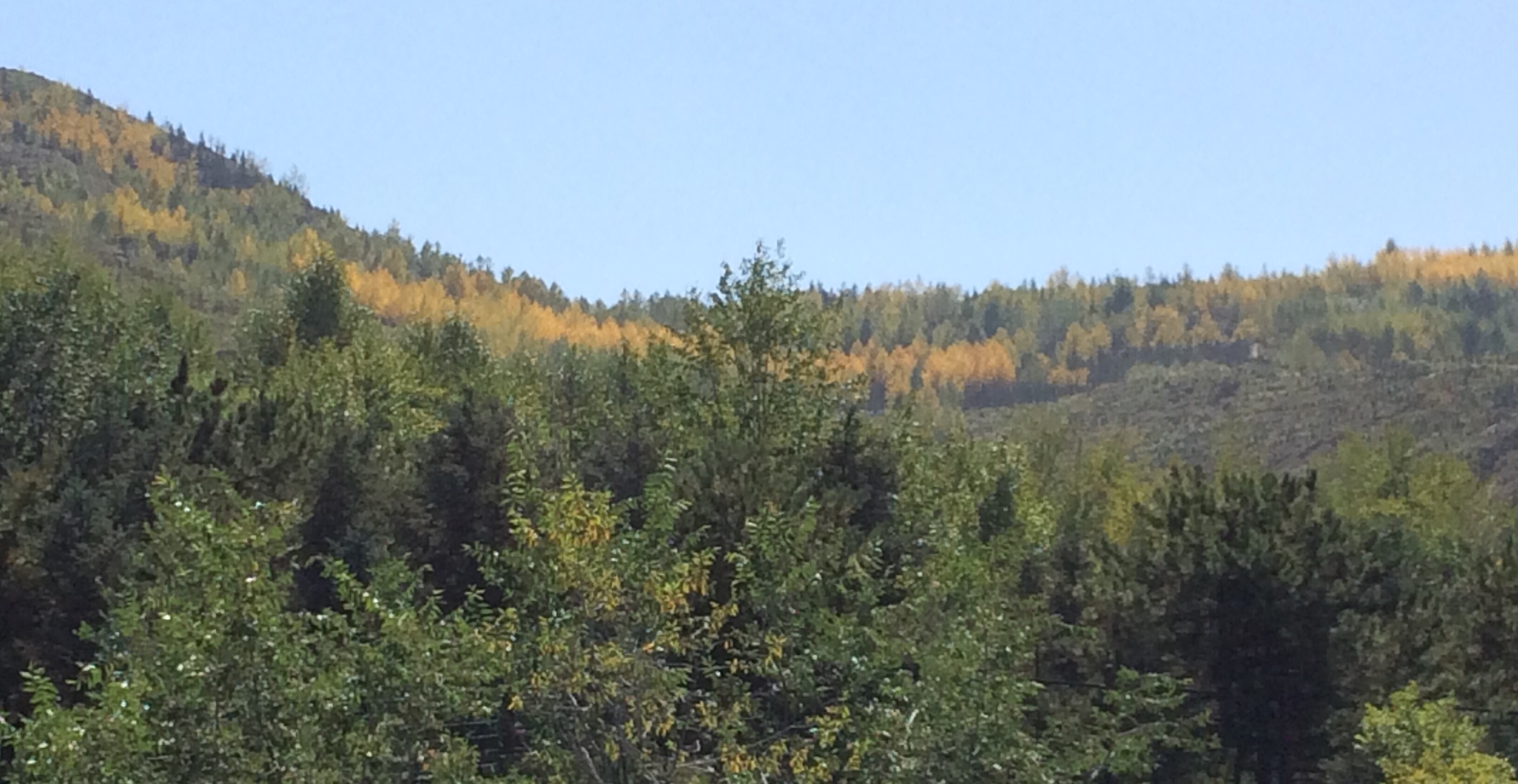
  I loved the trees turning yellow.  Perfect for Golden Week.  A local told me they were 柳树 (liǔshù).  I had to look it up.  It means “willow tree.”
  
  
And here’s one last golden shot out my hotel window with range after range of mountains receding into the distance.  I feel silly every time I see something in China that reminds me of shanshui paintings.  But I shouldn’t, because this is why that style even exists.

Posted in 西宁 | 1 Comment

Sherlock

Sunflower seed shells.  An old Chinese man has sat upon this very bench!  The game is afoot…

Posted in 西宁 | Leave a comment

Wild

Went to the 西宁青藏高原野生动物园 (Xīníng qīngzàng gāoyuán yěshēng dòngwùyuán) or the “Xining Zoo” or more accurately “Xining Wild Animal Park” or even more accurately “Xining Tibetan Plateau Wild Animal Park” or for the truly pedantic “Xining Qinghai & Tibetan Plateau Wild Animal Park.”

The park or zoo or whatever combines several of the Chinese people’s favorite things:  animals, incarceration, and relieving the burgeoning middle class of their disposable income.

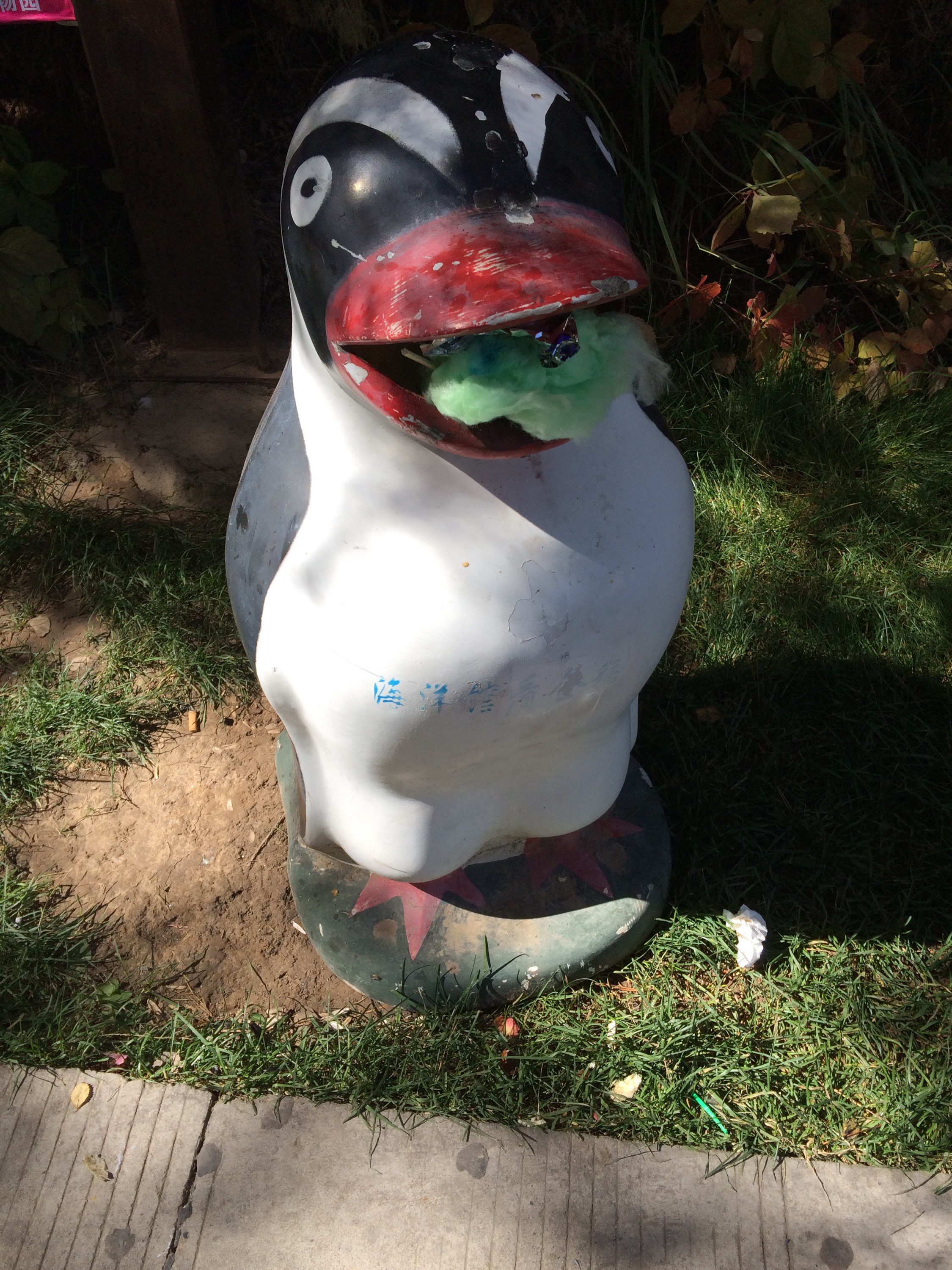
Some of the trash cans were shaped like penguins.
Some of the penguins were sick on green cotton candy.  Now, Beloved Reader, if you liked terrible nighttime wildlife photography, get ready to tolerate some terrible daytime wildlife photography!
First up was the Waterfowl Lake.  Now, why someone would be-fowl their own lake is beyond me.  (They can’t all be gems, people.  Bare with me.  Or should I say “bear” with me?  Note to self:  move picture of bear to right after this joke.)

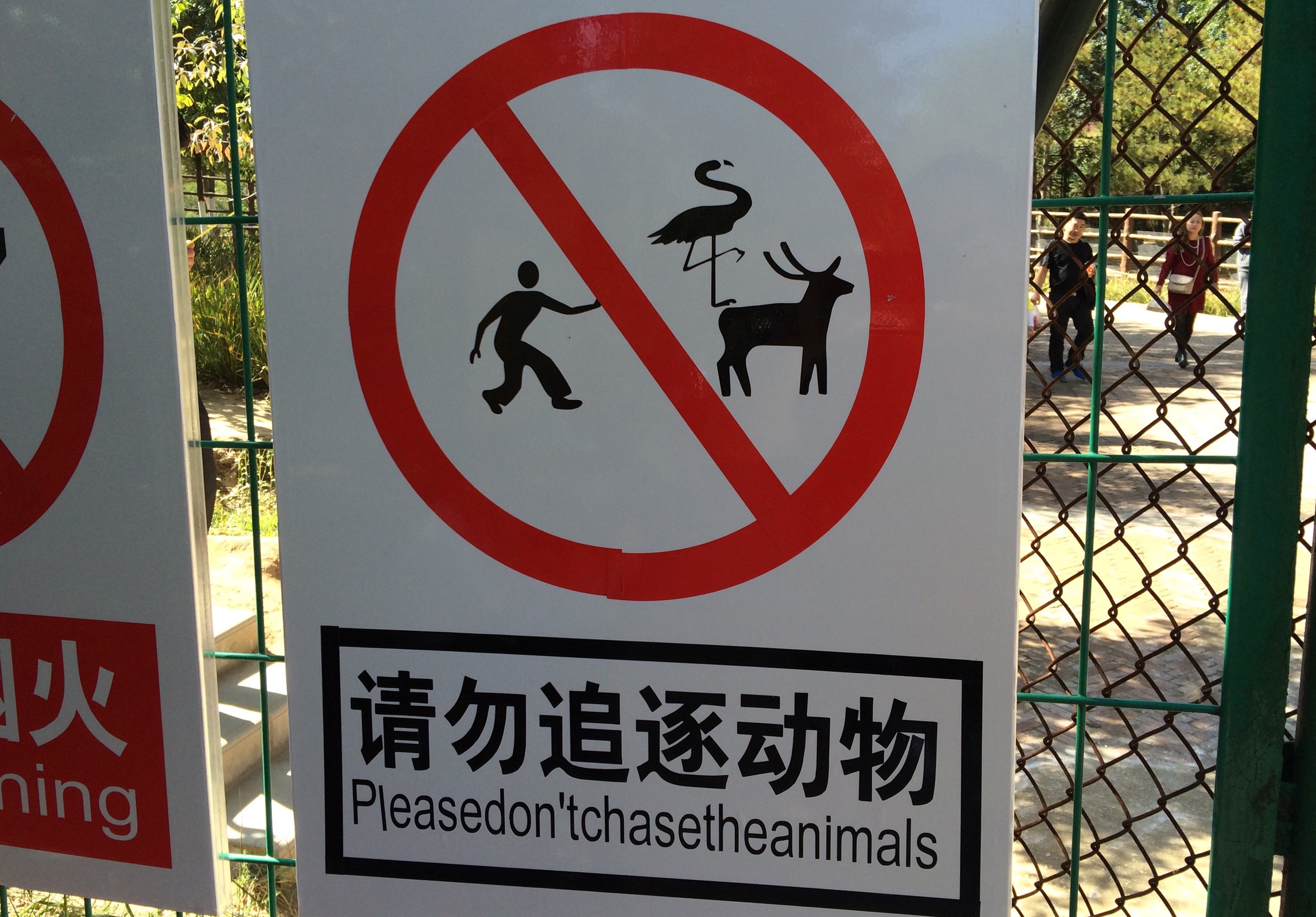
I sincerely hope there is a sign written in animal on the other side which reads “Pleasedon’tchasethehumans.”
The leopard says, “Soon…”  The black leopard says, “Soon…”
The snow leopard says, “Meh, the other leopards have got this.”  

As I believe I’ve made quite clear, both ostriches…
…and emu are fucking dinosaurs and ought to be treated as such.  
“Niú!” shouted a little girl.  “I know that word!” shouted David.
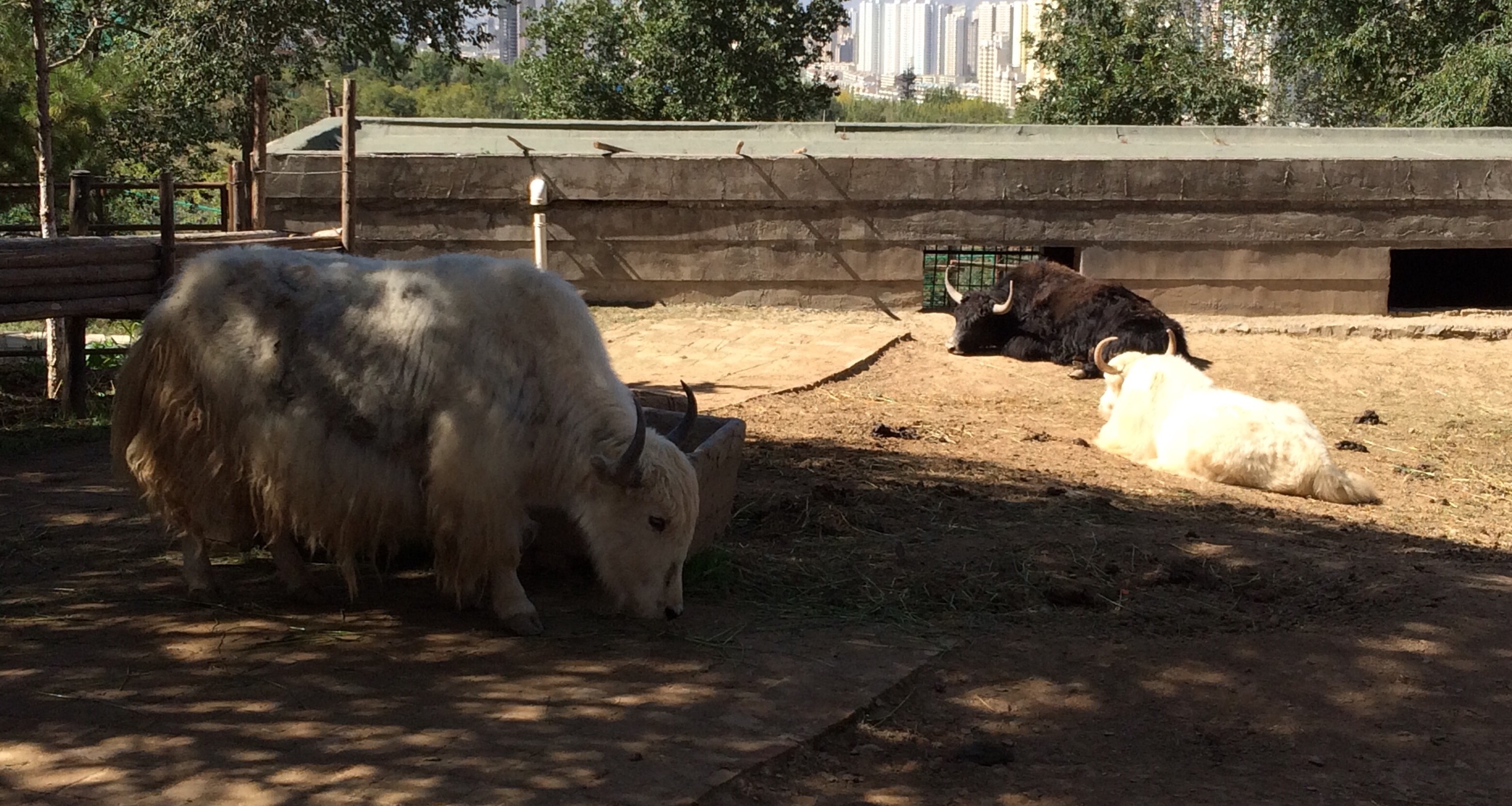
Obligatory “horny” joke here.  (A real missed opportunity to use “insert” instead of “obligatory,” if you ask me.)  
Poetry is everywhere.  
There was a system of gantries overlooking the most dangerous (and therefore most interesting) animals.
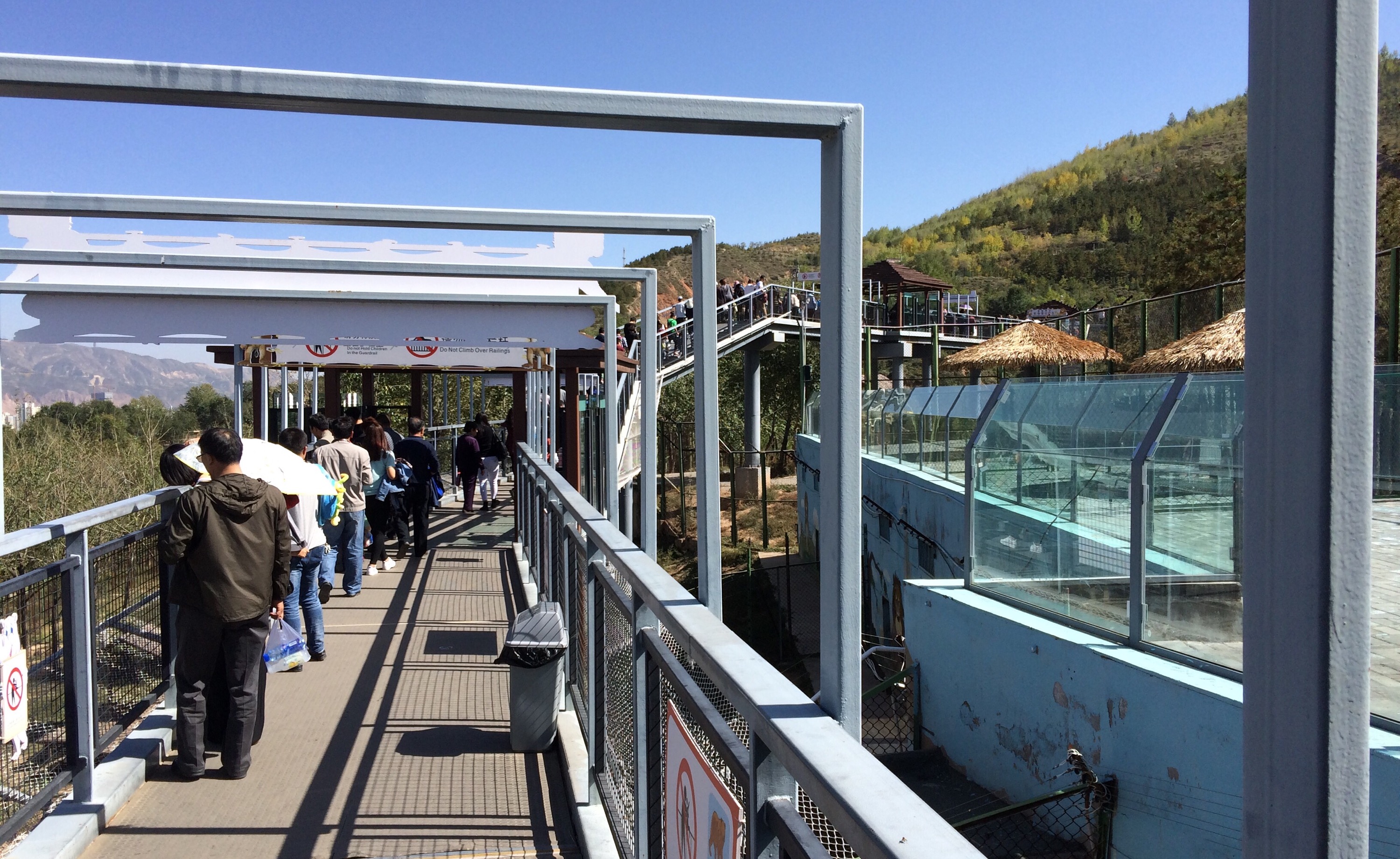
Actually, based on staring, I’d say the order of interesting animals goes:

  1. Dangerous animals
  2. Cute animals
  3. Me

The lions say, “What did the leopards say?  Are we doing this?”
A bear.  Possibly high.  
A wolf.  Possibly suffering from ennui.
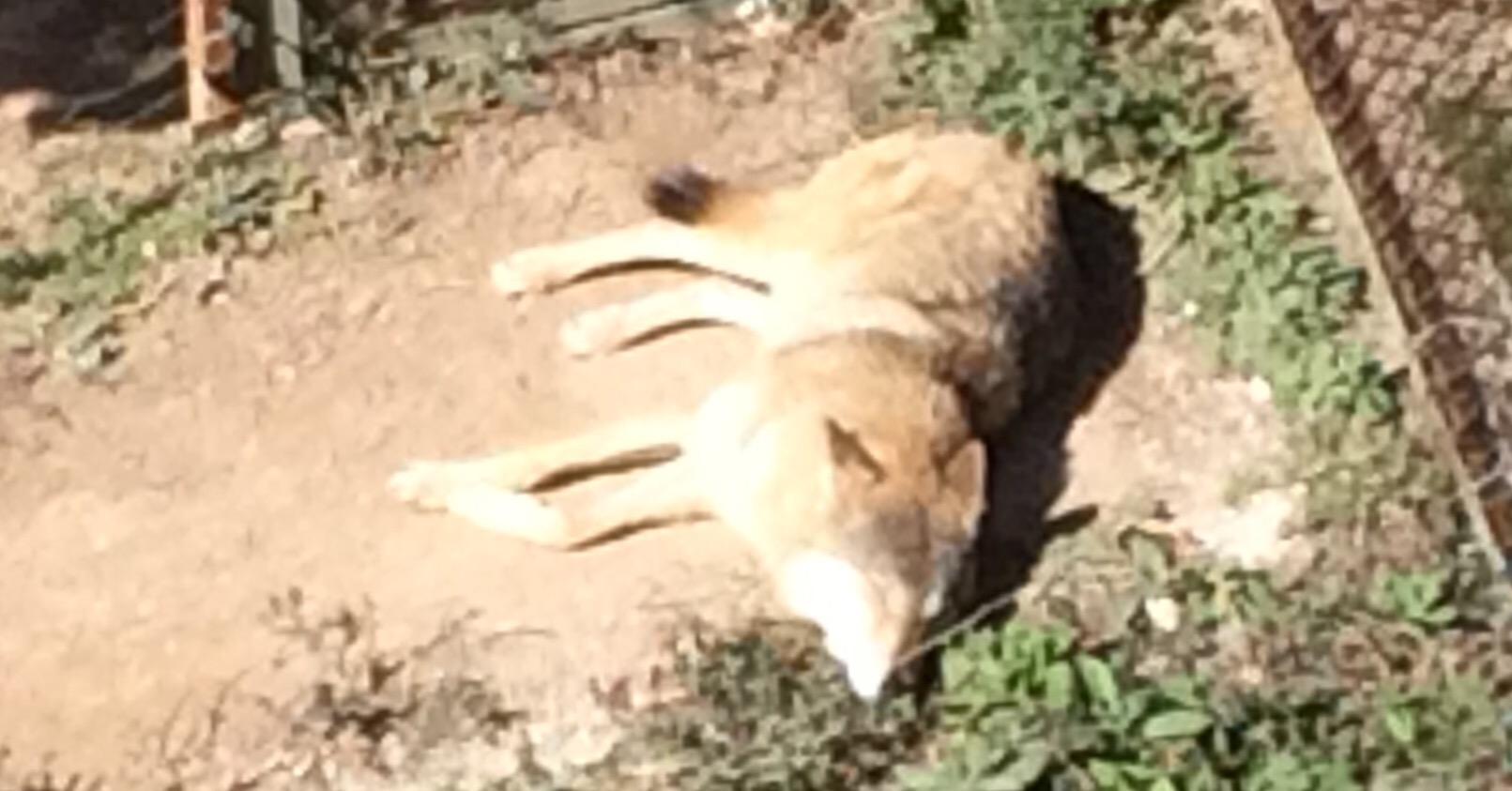
See, I feel like you can violate rule three by violating rule one or rule two.

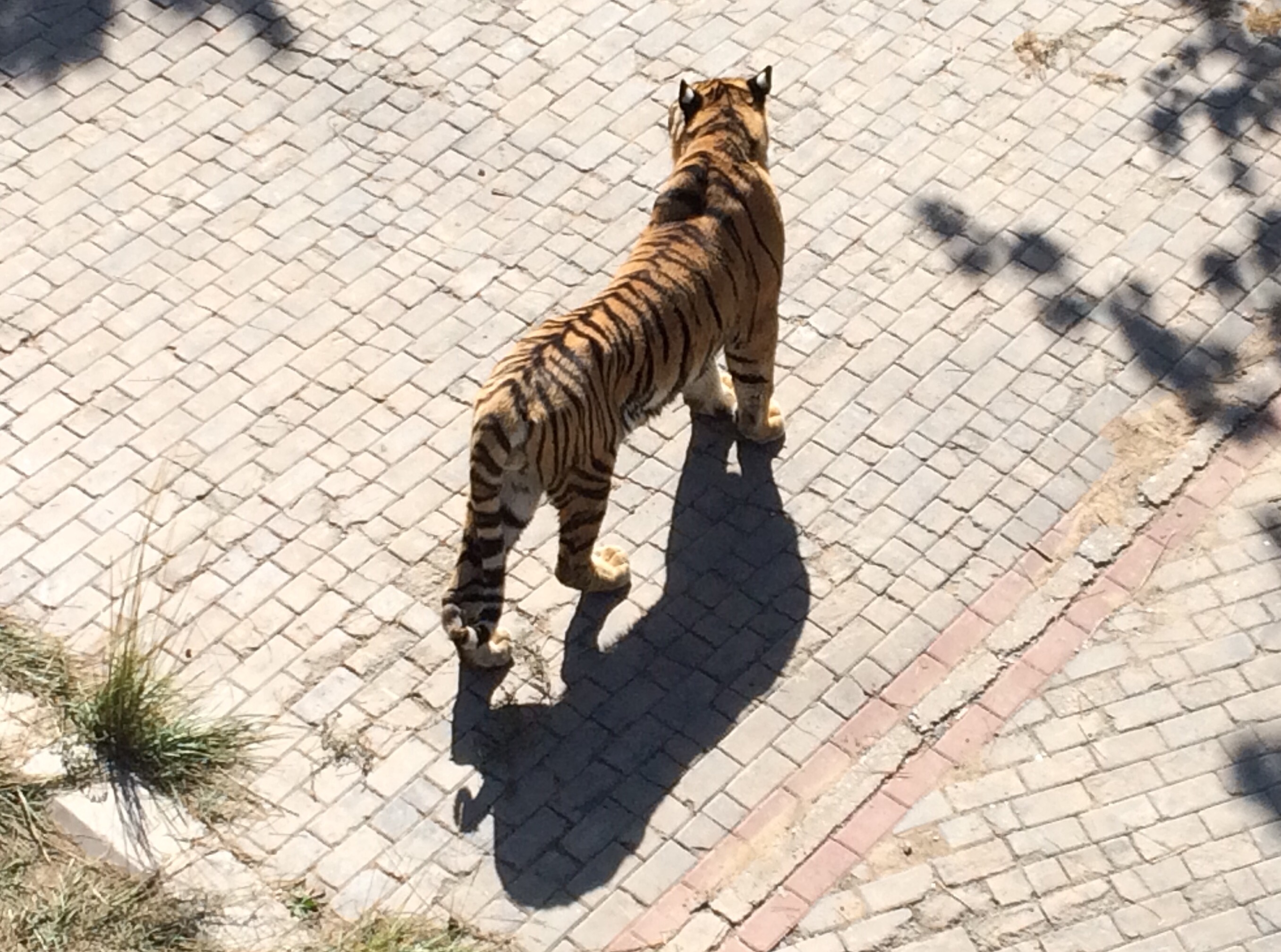
The tiger says, “Leave me out of this.” This tiger says, “Don’t turn around.”
“The black leopard is right behind you!”  
All the signposts were in Chinese, English, and Tibetan.  Oh, and icon.  Can something be “in icon” or is that just “iconic”?  These are the things I spend my time dwelling on.

In Mandarin, “good hippopotamus” (hǎo hémǎ) and “tastes good?” (hǎo hē ma?) sound a lot alike.  When Eli would have Xiaohan try a new cocktail, he would ask her “Good hippo?”  This cute anecdote would make zero impression on the world’s saddest hippopotamus.

Hidden in every crack of this fake rock wall is a monkey.
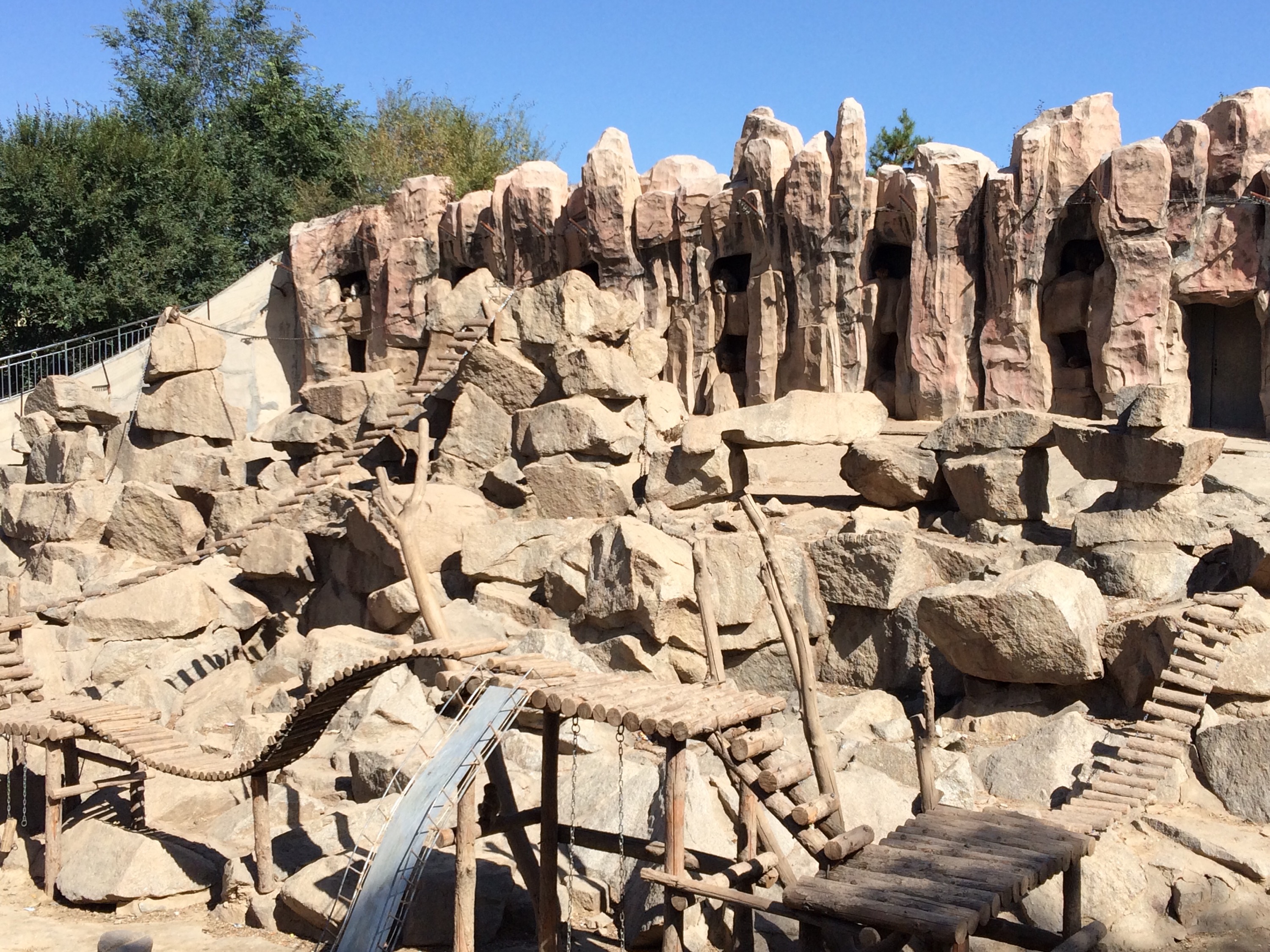
Like this one.  Or like this baby one, swinging on a swing.

A Bactrian camel, like this one, has two humps whereas a Dromedary only has one.  Here’s a handy mnemonic for remembering that:  “Bactrian” sounds like “Back to the Future” which had two sequels.  You’re welcome.

I knew I was off the beaten track when I went to a zoo and was the only white person.  In fact, it wasn’t until my third day in Xining that I saw any other non-Asian.  (At the hotel buffet.)
Posted in 西宁 | Tagged , | 2 Comments

Multifarious

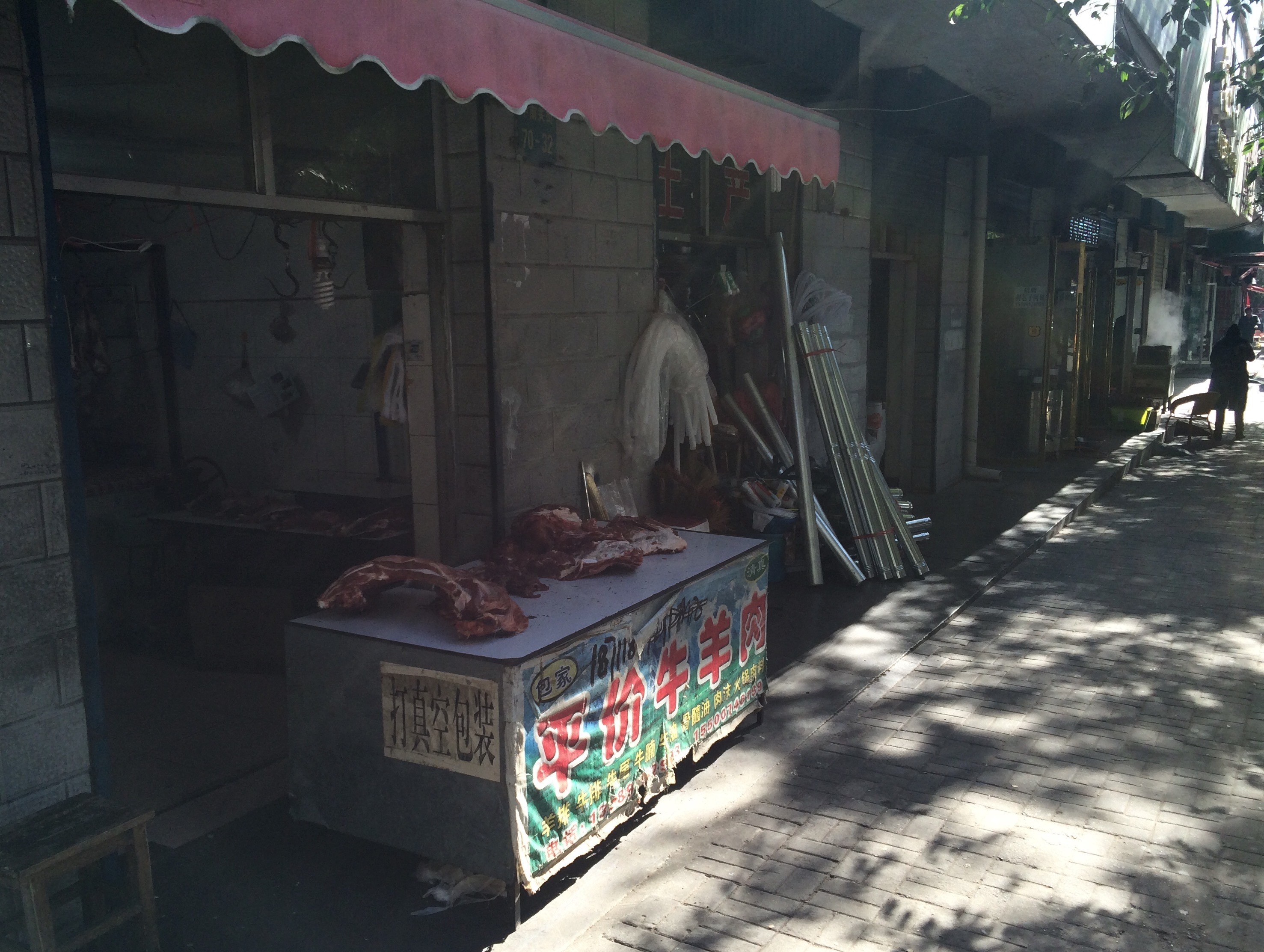
This (surreptitiously taken) photography sums up the Muslim section of Xining in particular and much of China in general:  a butcher shop (with meat lying out) next to a metal tubing shop next to a clothes shop next to a toilet shop.

Posted in 西宁 | Leave a comment

Minarets

Xining was a stop on a minor branch of the Northern Silk Road route.  This explains the huge amount of Muslim cultural influence  here, like the impressive Dongguan Mosque.
As an 8os kid, I must confess that it was impossible to see this backlit image of the mosque and not think of The Clash.

Posted in 西宁 | Tagged | 1 Comment

Intangible

I was very proud of myself for being able to read that title of this exhibit:  青海是一个多民族地区 (Qīnghǎi shì yīgè duō mínzú dìqū meaning “Qinghai is a Multi-Ethnic Area”)  And it’s true.  Unlike many provinces which are so overwhelmingly Han, Qinghai definitely has a more multi-culti feel and at a governmental level they seem serious about embracing that.

By far my favorite exhibit at the Qinghai Regional Museum was the one on preserving “intangible” culture from Qinghai’s ethnic minorities.  (So, the style & technique of an art instead of art objects.  Or something ephemeral like a dance or a sport.)

It is often said that great science fiction is actually anthropology.  In fact, anthropologist — and Sinologist — Leon Stover once wrote, “Anthropological science fiction enjoys the philosophical luxury of providing answers to the question ‘What is man?’ while anthropology the science is still learning how to frame it.”

I wrote down the name of every single display in this exhibit.  People I had never heard of, places I’d never heard of, arts and games and sports and ceremones I’d never heard of.  But read all together, they sound like they could well be science fiction.

  • Tibetan Tapestry of Jiaya Village of Huangzhong County
  • Tibetan Knives of Anchong Town of Yushu Prefecture
  • Tibetan Black Pottery of Nangqian County
  • Sandy Pottery of Qiaoergou of Datong County
  • Traditional Woodcarving of Chenjiatan of Huangzhong County
  • Making & Gilding Crafts of Silver/Bronze Ware of Huangzhong County
  • The Hua’er Party of Qutan Temple
  • The Hua’er Party of Qili Temple
  • The Hua’er Party of Tu Nationality in Danma Town
  • The Hua’er Party (Folk song concert of Qinghai) of Laoye Mountain
  • Colored Mandala of Taxiu Temple of Qinghai
  • Fresco of Huangzhong County
  • Painting of Huangzhong County
  • Mongolian Woodcarving of Haixi Prefecture
  • Traycloth Embroidery of Tu Nationality
  • Paper-cutting of Hehuang Area
  • Regong Art
  • King Gesar (Tibetan heroic epic)
  • Hanqing Gele (Mongolian heroic epic)
  • Shadow Puppet Show of Hehuang Area
  • Tibetan Opera on Horseback of Guoluo Prefecture
  • Archery in the South Mountain of Ledu County
  • Jiaqi — Tibetan Traditional Chess
  • Lunziqiu (Rotary swing) of Tu Nationality
  • Horse Racing of Yushu Prefecture
  • Ancient Games of Quexi Dewa Village of Huangzhong County
  • Tibetan Melody of Scriptural Singing
  • Tibetan Zhanian (Tibetan traditional plucked instrument) Playing & Singing
  • Qinghai Xiaxian (Local Vocal Art)
  • Feast Songs of Hui Nationality in Menyuan County
  • June Grand Gathering of Regong
  • Nadun Festival of Tu Nationality in Minhe County
  • Tibetan Opera of Huangnan Prefecture
  • Carved Stone of Heri Temple of Zeku County
  • Yi Dance in Yushu Prefecture
  • Traditional Mongolian Nadam Fair
  • Traditional Dance of Tu Nationality in Huzhu County
  • Ancient Yangko Dance of Datong County
  • Sacrifice Dance of Totemic Frog
  • Farming Sacrifice
  • Wu Tu Dance (Sacrificial dance) of Tu Nationality in Tongren County
  • Mongolian Folk Fire Worship Ceremony
  • Dance with a Handcrafted Dragon of Hongshui Town in Ledu County
  • Mongolian Sacrifice Ceremony to the Holy Stone-piled Hummock
  • The Yellow River Lantern Festival
  • Mandela Art Model of Qinghai
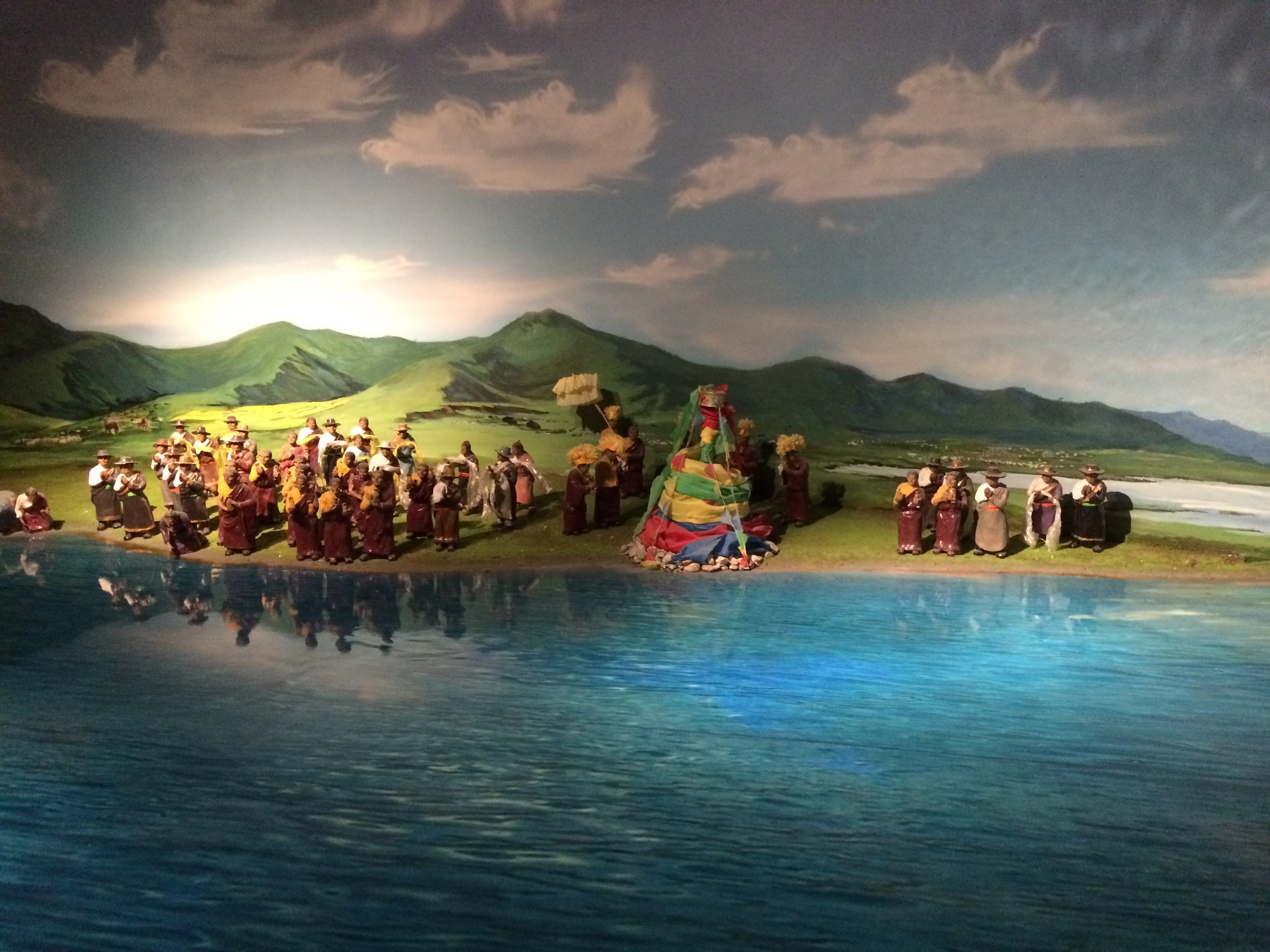
  • Lake Worship Ceremony by the side of QinghaiI thought the “Shadow Puppet Show of Hehuang Area” display was particularly ingenious.
    You can step to the right and see behind the scenes.

    I also found this camel from the “Mongolian Woodcarving of Haixi Prefecture” section kind of adorable.
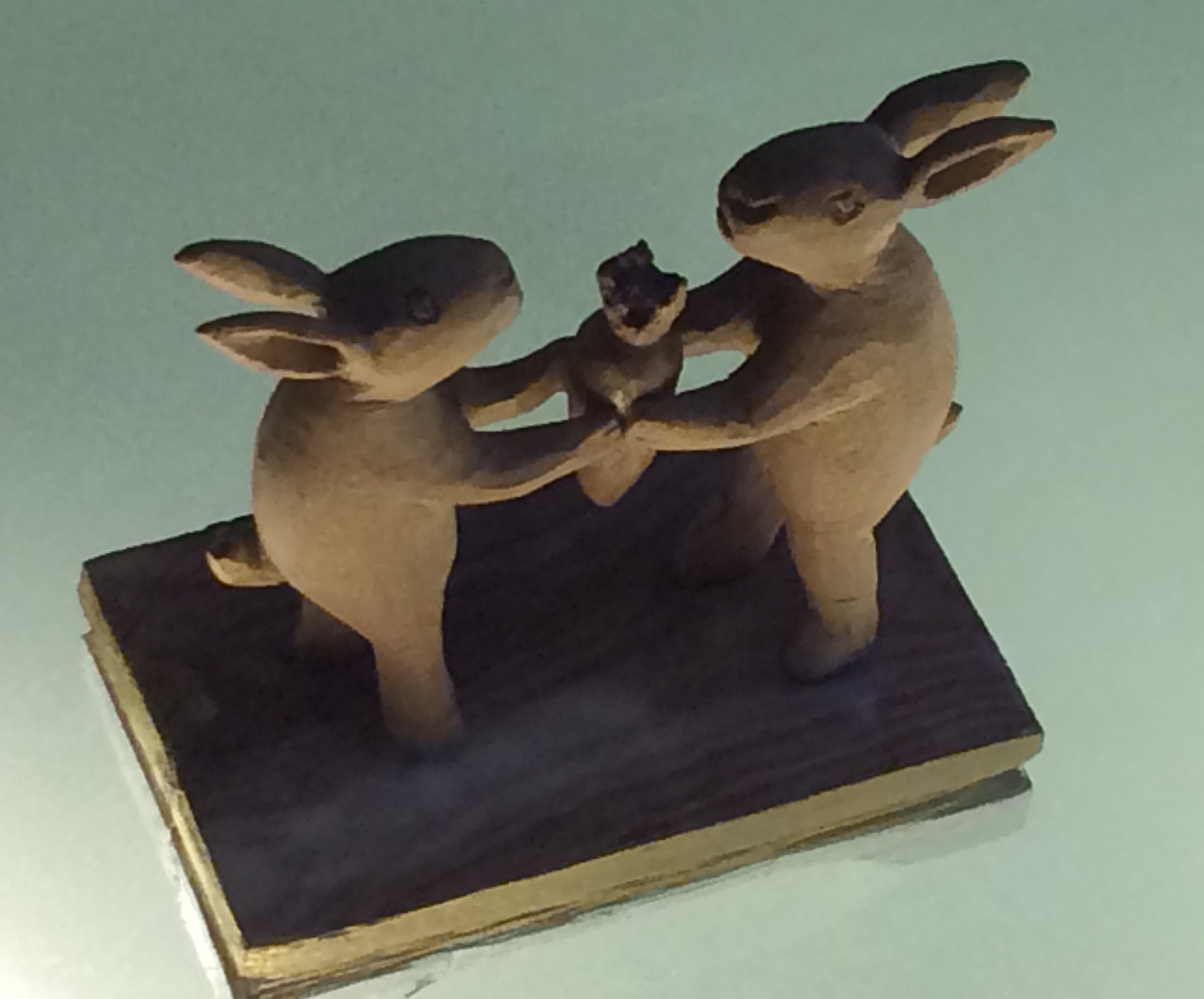
    But there was something unsettling about this carving (which I think of as “Two Deranged Rabbits Fight Over a Carrot Like It’s the One Ring”.)

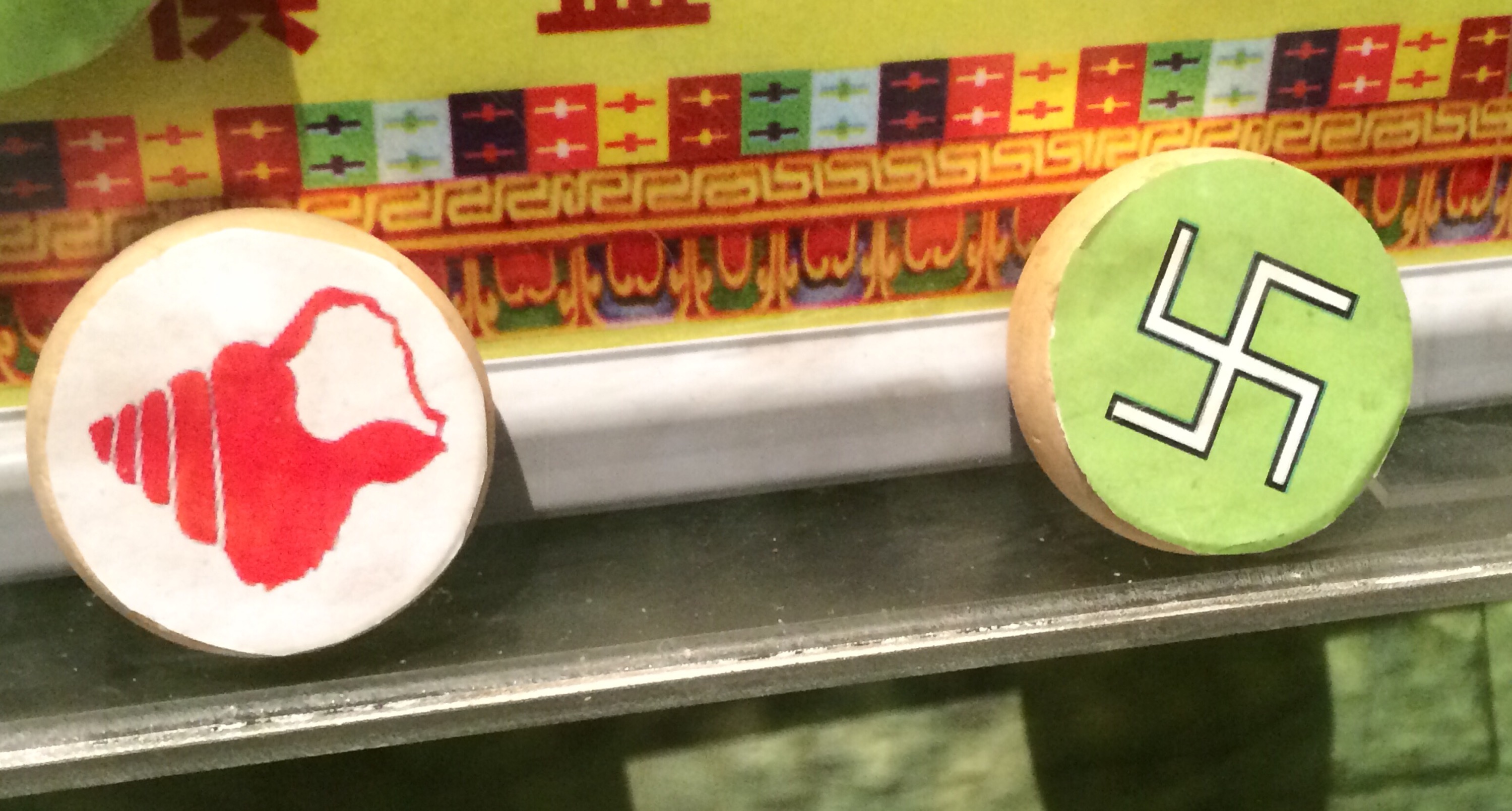
    Jiaqi, traditional Tibetan chess, intrigued me. But, um, I’ll play “shells.”

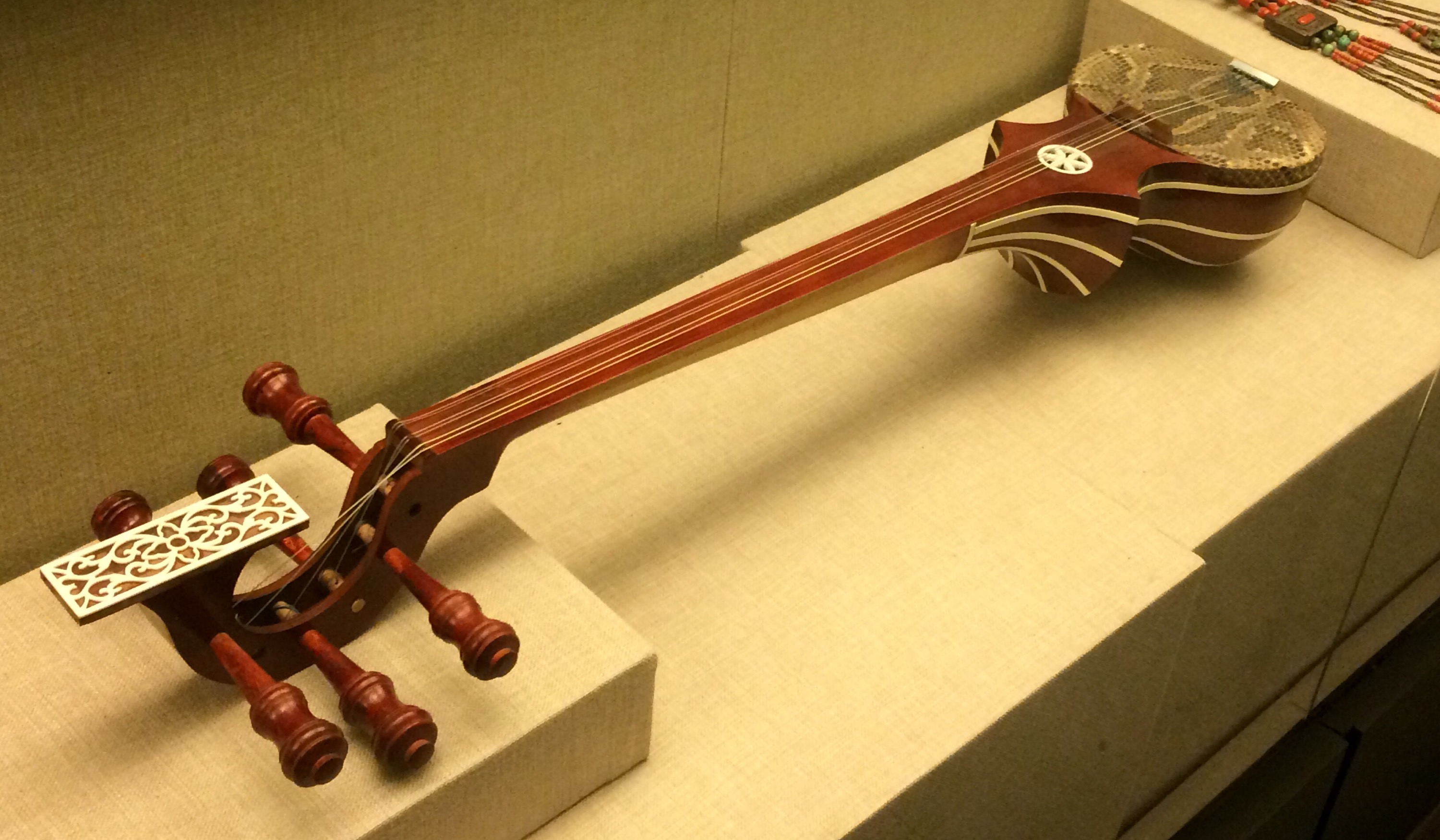
    This Tibetan stringed instrument seemed fairly average as indigenous stringed instruments go.
    But then I noticed that the soundboard seems to be covered with snake scales.  Actual snake scales.  Which is kind of badass.

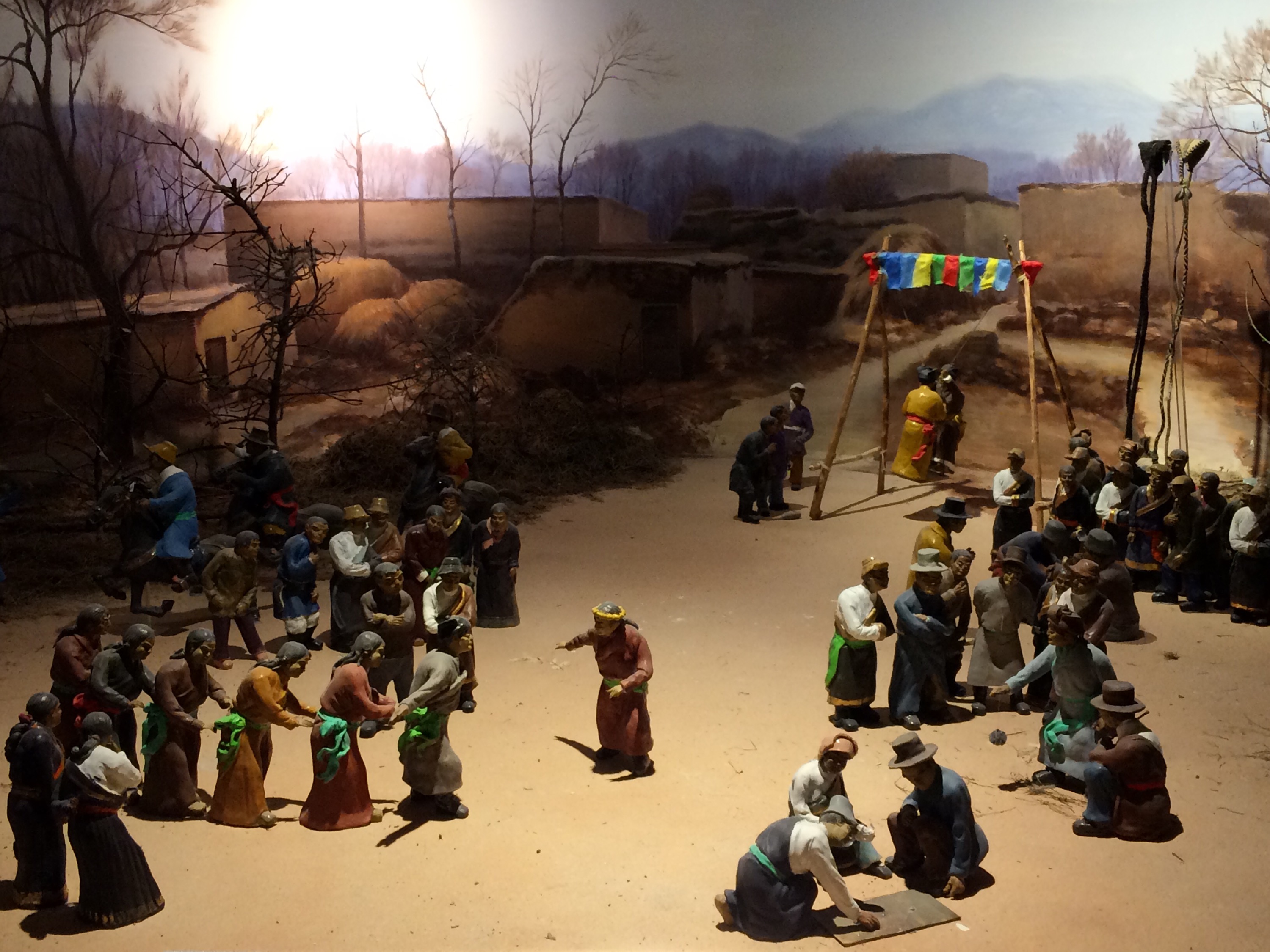
    Many of the displays had elaborate dioramas, like this one for “Ancient Games of Quexi Dewa Village of Huangzhong County”…  “Yi Dance in Yushu Prefecture”…
    “Traditional Mongolian Nadam Fair”…The “Mongolian Folk Fire Worship Ceremony” (which, yes, looks like the “fire worm” from The 13th Warrior)…
    And the haunting “Lake Worship Ceremony by the side of Qinghai”…

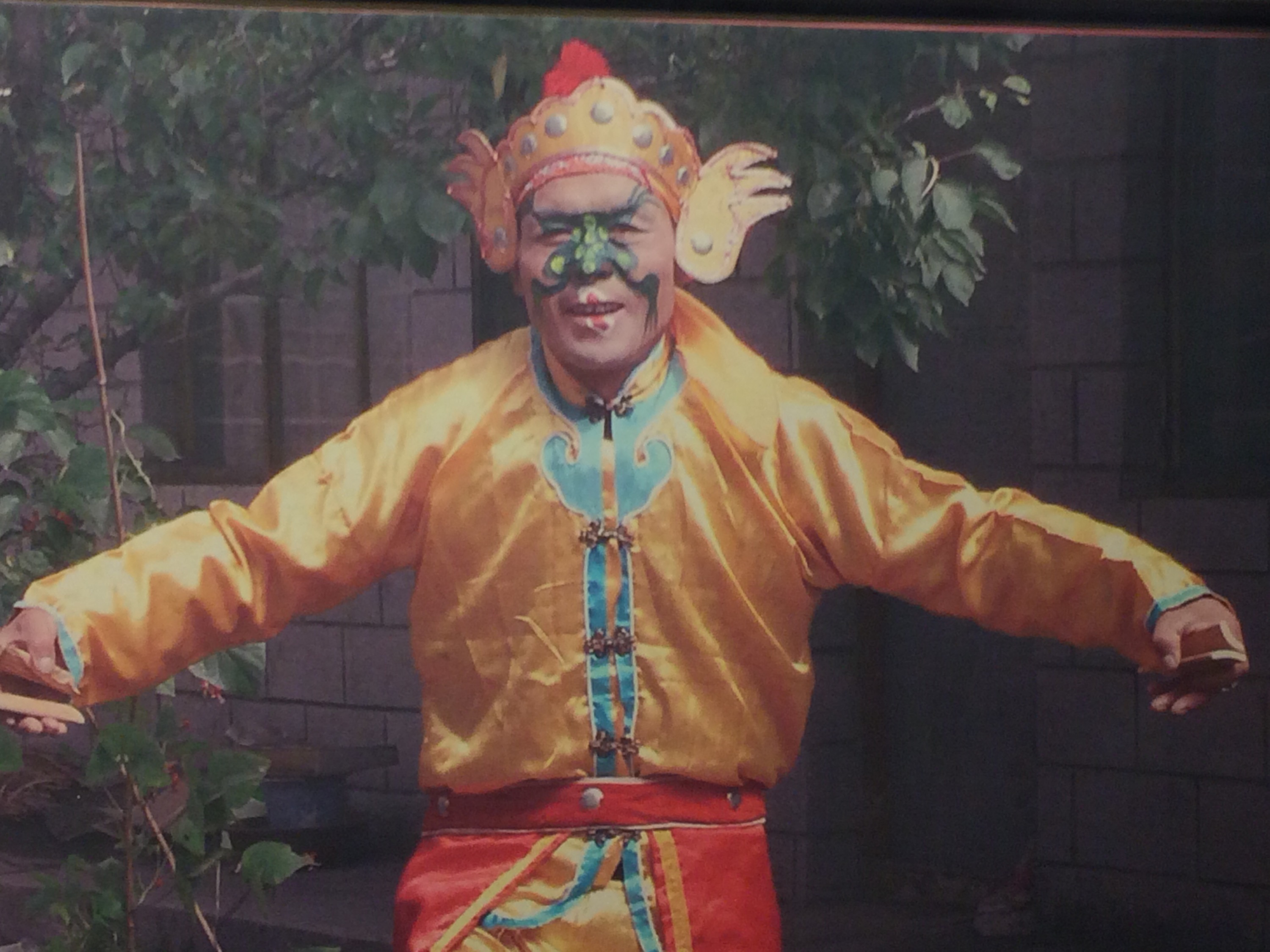
    But you need to draw the line somewhere.  And I draw the line at this photograph-of-a-photograph of the “Sacrifice Dance of Totemic Frog”.  Some things should be preserved, but others you gotta kill.  Kill it with fire.

Posted in 西宁 | Tagged , | 1 Comment

Regional

This is the impressive entrance to the Qinghai Regional Museum (with typical Chinese scale.)
Weirdly, the main exhibit hall just brags about commerce.  The dairy industry…  The “this one robot” industry…
And the “alcohol not famous enough for you to have heard of” industry. 
The one phrase I can pick out of this chart is “21st Century Silk Road”.
  
The introductory description of different sections of museum exhibits (often in mangled English translation) are usually dull, but I found this one about the “Chinese Dream” insightful.  I had never heard of the Two Centenary Goals.

Then the museum seemed to kick into a higher gear.  (Or at least a more expensive gear.)

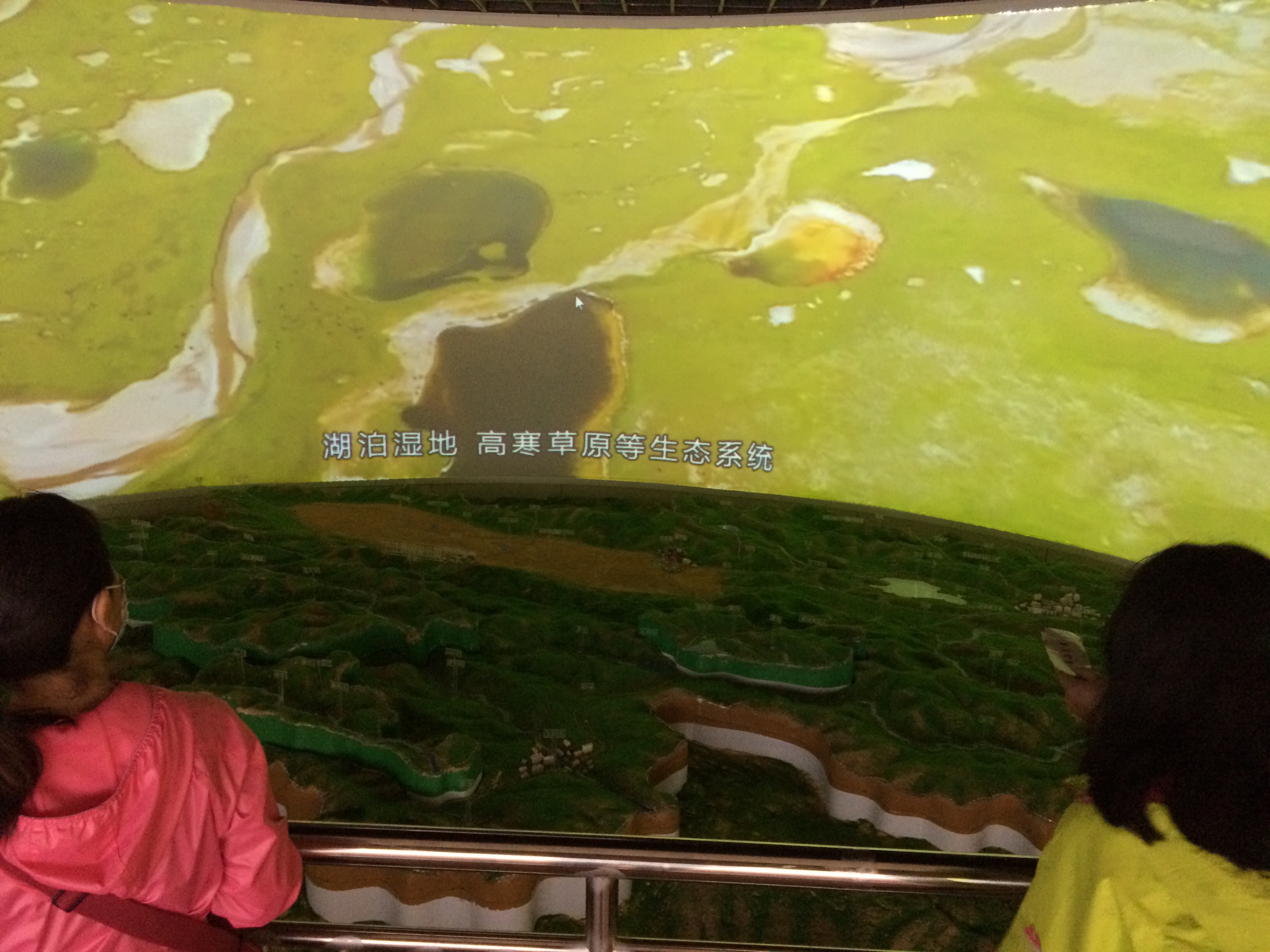
People seemed to enjoy this semi-circular film projected over a map of the Qinghai region.

Although this (currently non-functional) exhibit is brought to you by the good people at Microsoft.

Here we have Natural History Museum 101.  Prehistoric man using tools.
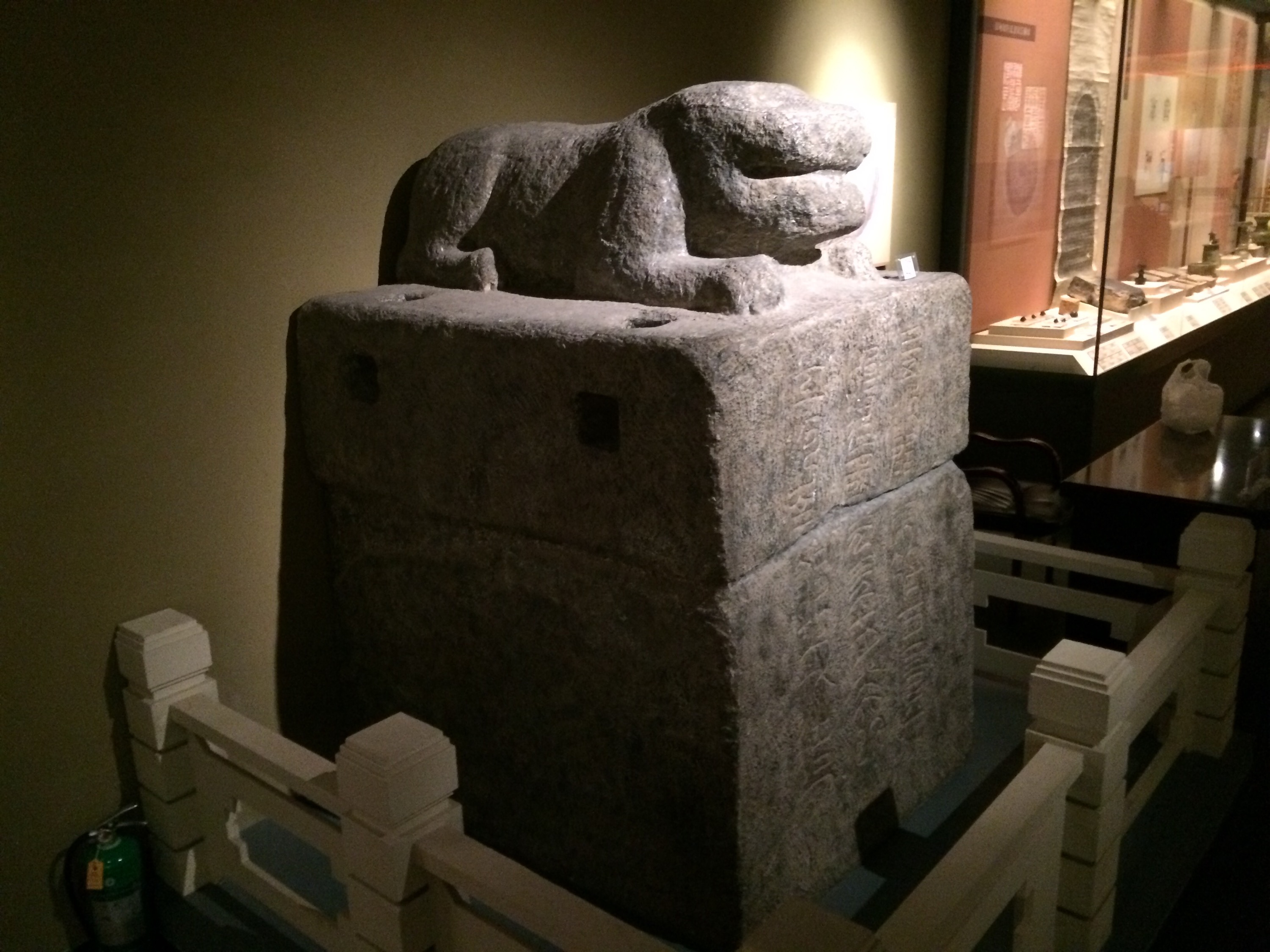
There were archeological artifacts from all over the region.

I found this jade horse carving quietly upsetting.
  
As Jaqen H’ghar might say…  

Posted in 西宁 | Tagged , | Leave a comment

Plateau

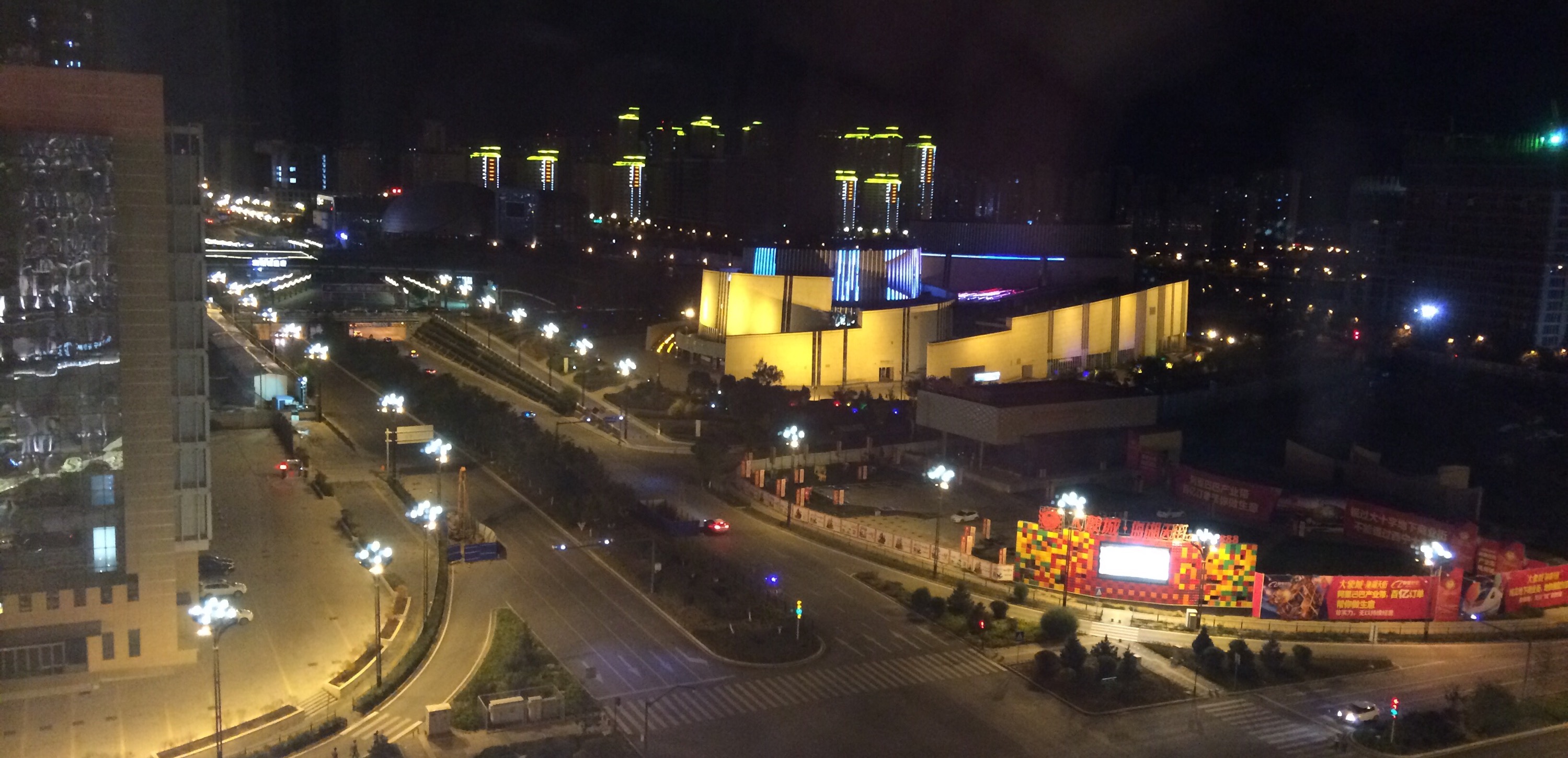
I flew to Xining in the Qinghai province — the second west-most province in China, high on the Tibetan Plateau  — and checked in to the Sofitel in a new part of town.  So new that those brightly lit places below my window all seem to be unoccupied and still under construction.

Posted in 西宁 | 1 Comment

Folders

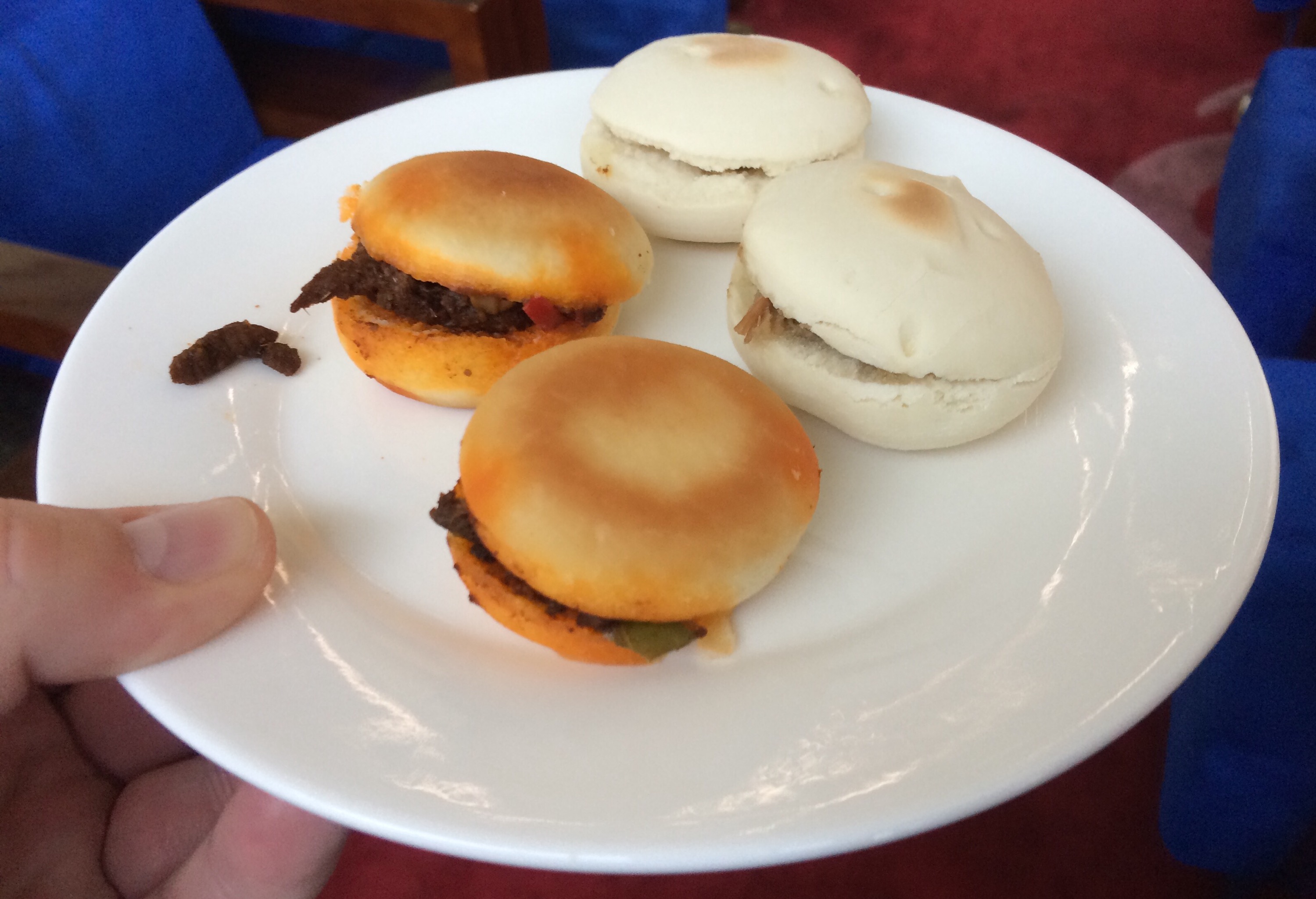
 The lounge at the Xi’an airport has li’l 肉夹馍 (ròujīamó)!   It’s a Xi’an specialty and the name literally translates as “meat folder bun.”

Posted in 西安 | 2 Comments

Hub

Today is National Day, the first day of the week-long 黄金周 (“Golden Week”) holiday.

I’m back in Xi’an.  (“Well, at least you’re out of the tree,” Dr. Grant reassures me.)

Have a four hour layover here before heading even farther west to Qinghai.

Posted in 西安 | 1 Comment

Supertrees

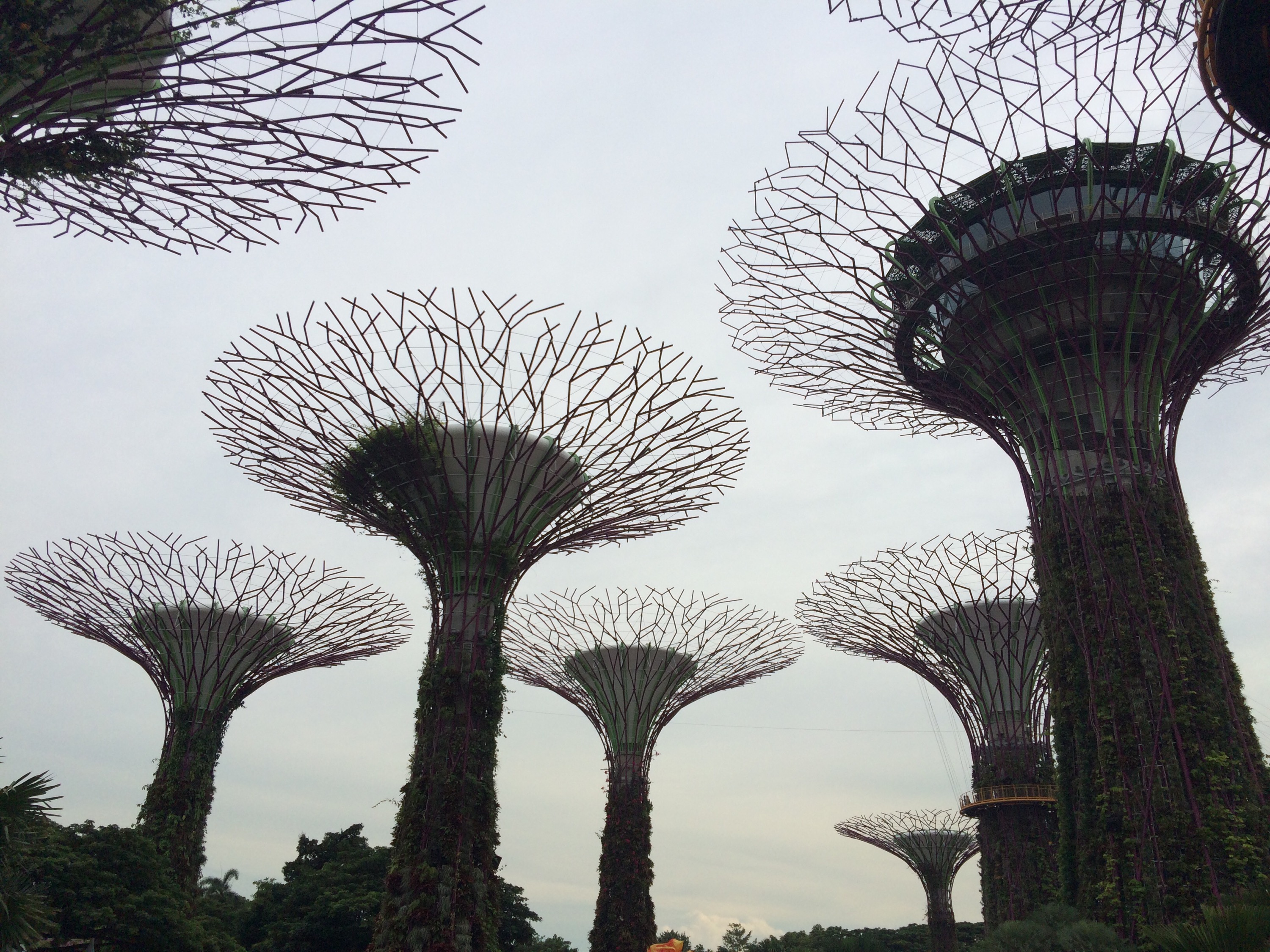
This is the Supertree Grove at Gardens by the Bay.  They’re supposed to be this symbol of ecological awareness and environmental technologies, but I just found them garish.

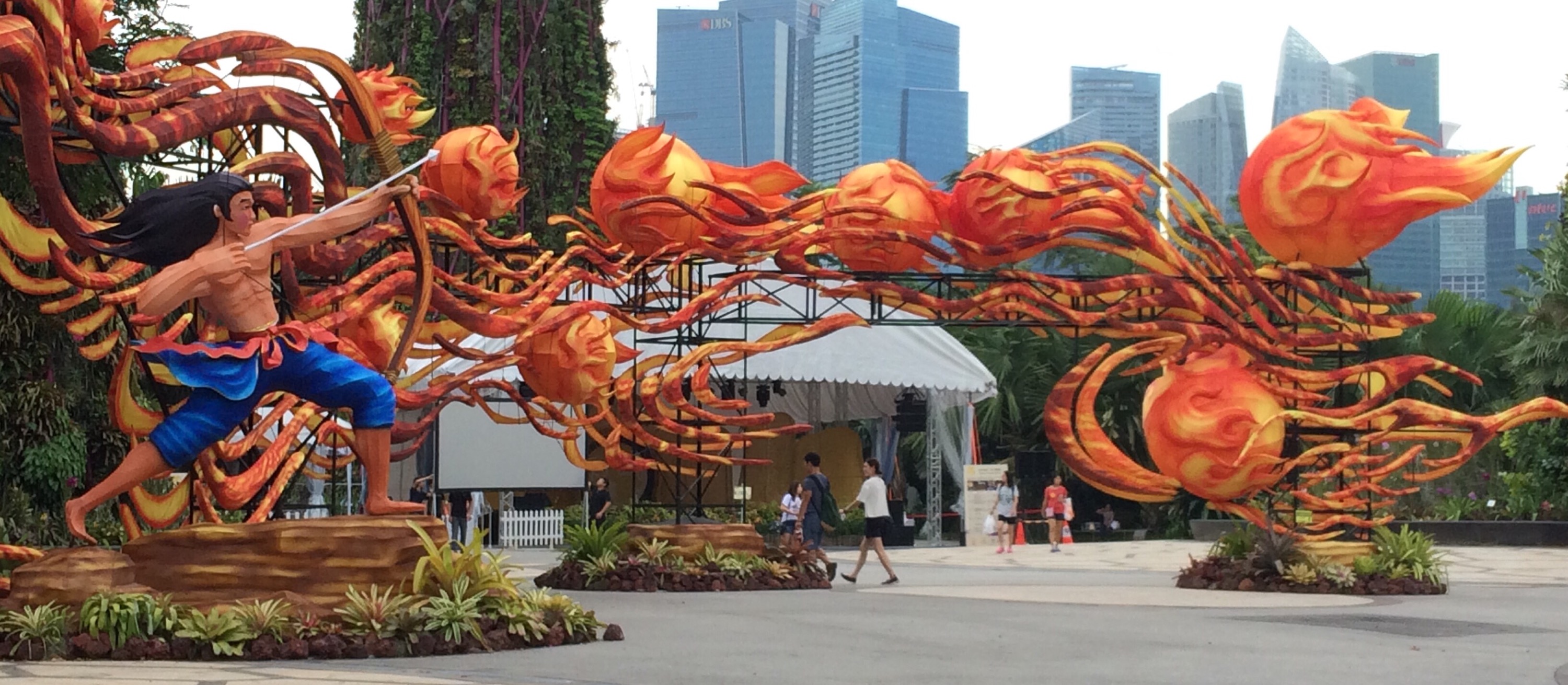
At the base of the trees were a series of sculptures depicting scenes from the stories about Chang’e.  In honor of the Mid-Autumn Festival — which provided me the time off work to enjoy a visit to Singapore — I present this sculpture of Hou Yi shooting down nine of the ten suns to make the Earth livable for mankind.
But if I had to live in Singapore, I’d say just go ahead and shoot down that tenth sun, too.  It’s just too hot.  Too hot and humid.  Just way too hot and humid.

Posted in 新加坡 | Tagged | 1 Comment

Cloud

At the Gardens by the Bay, I lingered for a long, long time in the domed Cloud Forest which contains the world’s tallest indoor waterfall.  The interior environment mimics the moist, cool climate of the mountains between 3300′ and 9800′.  I was in heaven.

“Lost World.”  Clearly marked.

Fun facts. 

I believe these are orchids.  I should study orchids.  Orchids sound fascinating.

This is looking back at the Marina Bay Sands through the Cloud Forest’s dome. 
The Singapore Flyer through the side of the dome.

Fun Facts #2. 
Looking down from the top of the waterfall.

I am Groot. 
I loved these carefully installed magnifying glass to point out some of the smallest, most beautiful features of the flora.

I could live here. 
This closet believes in predestination.

Loved this crocodile bench half-carved into driftwood. 
This made me think of Yggdrasil, the immense ash tree that connects the nine worlds in Norse mythology.

Posted in 新加坡 | Tagged , , , , | 2 Comments